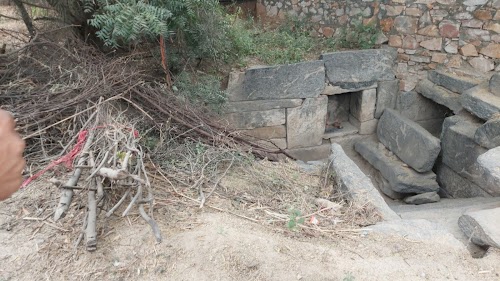
Ancient Stepwell – I know this is Bhoto ki Bawadi, a historical stepwell located in the Balai mohalla area. These traditional structures were ingeniously designed to access groundwater, serving as vital water sources for communities, especially in arid regions.
Why people come here
History & Architecture – Visitors often come here to appreciate the historical architecture and the ingenious engineering of ancient water management systems. It's a place to step back in time and experience a piece of local heritage. Many also find it a peaceful spot for photography.
What to expect
Quiet Reflection – You can expect a serene and often quiet atmosphere, perfect for a moment of reflection. I find that the intricate stonework and the descending steps offer a unique visual experience. It's generally a place for those interested in history and local culture.
Historical background
Water Heritage – While the exact origins can sometimes be elusive, bawadis like this one typically date back centuries, built by local rulers or wealthy individuals to ensure a consistent water supply. They are a testament to the region's architectural and environmental wisdom.
Key highlights
Intricate Steps – The main draw here is often the descending series of steps that lead to the water source below. These steps are not just functional but are often arranged in captivating geometric patterns, showcasing remarkable craftsmanship. Look out for any unique carvings or architectural details.
Practical info
Easy Access – Access to bawadis is generally straightforward, often situated within local neighborhoods. I recommend wearing comfortable shoes as you might be navigating steps. As a historical site, it's always good to practice respectful observation.
Good to know
Community Landmark – Many stepwells, including Bhoto ki Bawadi, serve as important local landmarks and are integral to the community's history. They are not just structures but also silent witnesses to generations of local life and culture, offering a glimpse into the past.