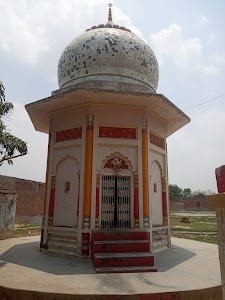
Hindu Temple – I recognize this as a Hindu temple dedicated to Lord Shiva, a revered deity in Hinduism. It functions as a sacred space for worship and spiritual activities for the local community.
Why people come here
Prayers and Rituals – People typically visit this temple to offer prayers, perform various Hindu rituals, seek blessings from Lord Shiva, and participate in religious ceremonies. It’s a place for devotees to find spiritual peace and express their devotion.
Spiritual or cultural significance
Divine Importance – As a Shiv Mandir, this site holds deep spiritual meaning for followers of Lord Shiva. It is considered a holy place where the divine presence is honored, and it often plays a central role in local religious customs and festivals.
What to expect
Reverent Atmosphere – I anticipate a generally calm and reverent atmosphere, conducive to prayer and meditation. The number of visitors might increase significantly during special festivals or auspicious days. It is a place primarily for devotees and those seeking a quiet spiritual experience.
Visitor etiquette
Modest Dress and Respect – Visitors are generally advised to dress modestly, ensuring shoulders and knees are covered. It is customary to remove footwear before entering the main shrine area. Maintaining silence and respecting individuals engaged in prayer are important. If you wish to take photographs, it's always best to check for any posted rules or ask temple authorities.
Practical info
General Access – Temples like this typically have specific operating hours, usually in the morning and evening, for daily worship. While entry is generally free, voluntary donations are often accepted to help with the temple’s upkeep. Parking facilities, if available, might be informal and located nearby.
Good to know
Community Hub – This Shiv Mandir often serves as a significant landmark and a focal point for the community, especially during major Hindu festivals such as Mahashivratri, when it becomes a vibrant center of devotion and celebration.