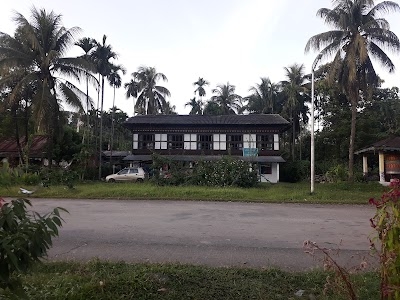
Border Town – Daifam is a charming and tranquil border town located in the southeastern district of Samdrup Jongkhar, Bhutan. It serves as a significant entry and exit point for goods and people between Bhutan and India.
Why people come here
Gateway & Nature – People typically visit Daifam as a transit point for cross-border trade and travel, or to experience the quieter, less-traveled eastern region of Bhutan. It's also a place for those seeking natural beauty and a glimpse into rural Bhutanese life away from the more tourist-heavy western parts.
What to expect
Peaceful Atmosphere – I find Daifam to offer a peaceful and authentic atmosphere, distinct from the bustling towns. You can expect a blend of Bhutanese and Indian cultural influences, friendly locals, and lush green landscapes. It's generally suited for travelers who appreciate tranquility and cultural immersion.
What to do here
Explore Surroundings – While Daifam itself is a small settlement, I encourage you to explore its natural surroundings. You can enjoy gentle walks amidst the hilly terrain, observe local life, and appreciate the subtropical flora and fauna. It's a great spot for photography enthusiasts interested in capturing rural landscapes and daily activities.
Best time to go
Mild Winters – The best time to visit Daifam is typically during the cooler, drier months from October to March. During this period, the weather is generally pleasant for outdoor exploration, avoiding the heavy monsoon rains and the intense summer heat.
Practical info
Accessibility Varies – Access to Daifam involves navigating roads that can vary in condition, especially during the monsoon season. As a border town, there are specific entry and exit procedures, so having your travel documents in order is essential. Local transportation options are usually available but might be less frequent than in larger towns.
Good to know
Cultural Blend – Here’s a little insight: Due to its proximity to the Indian border, Daifam presents a unique cultural blend. You might notice influences in local cuisine, language, and daily customs, offering a slightly different experience compared to central or western Bhutan. It's a place where two vibrant cultures meet.