
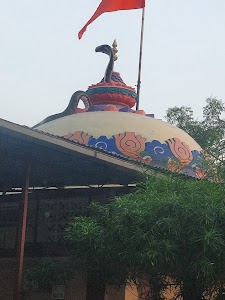



Title: Nilkanth Mahadev Temple
About Nilkanth Mahadev
Ancient Shrine – This is a revered Hindu temple dedicated to Lord Shiva, nestled amidst the mountains near Rishikesh . It holds immense mythological importance as the spot where Lord Shiva is believed to have consumed the deadly poison Halahala during the Samudra Manthan (churning of the cosmic ocean), saving the universe. His throat turned blue, hence the name Nilkanth, meaning "Blue-throated One."Why people come here
Spiritual Pilgrimage – Pilgrims and devotees primarily visit to offer prayers to Lord Shiva and seek blessings. It's a significant pilgrimage site, especially for those following Shaivism, drawn by its deep spiritual and historical narrative.What to expect
Devotional Atmosphere – I find a deeply spiritual and serene atmosphere here, often filled with chants and devotion. Expect to see many pilgrims, especially during auspicious times. The journey to the temple itself offers scenic views of the surrounding Garhwal Himalayas.Visitor etiquette
Respectful Conduct – When I visit, I observe that modesty in dress is generally expected. Removing footwear before entering the main shrine is customary. Maintaining a quiet and respectful demeanor is also appreciated, especially during prayers and rituals.Facilities for visitors
Basic Amenities – I notice that basic facilities like small shops selling offerings, refreshments, and washrooms are usually available. There are often designated areas for shoe storage near the temple entrance for convenience.Best time to go
Post-Monsoon Serenity – I observe that the period from September to June is generally favorable. The post-monsoon months offer lush greenery and pleasant weather. It can get particularly crowded during festivals like Mahashivratri and Shraavan.Practical info
Mountain Access – The temple is accessible by road from Rishikesh , though some pilgrims also choose to trek part of the way, especially from areas like Swarg Ashram. The roads can be winding, so I recommend being prepared for mountain travel.Good to know
Sacred Spring – I've learned that there is a natural spring near the temple where devotees often take a holy dip before offering prayers. The temple architecture features vibrant carvings depicting the Samudra Manthan legend, adding to its visual appeal.