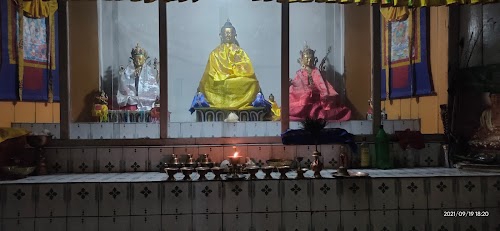
Temple – This is a serene Buddhist temple, a place dedicated to the teachings and practice of Buddhism. It typically serves as a spiritual center for local communities and visitors alike, offering a tranquil space for reflection.
Spiritual or cultural significance
Significance – For many, this temple represents a place of peace and enlightenment, embodying the principles taught by Lord Buddha. It holds cultural importance for the region's Buddhist population, often serving as a focal point for religious festivals and gatherings.
Why people come here
Pilgrimage – People typically visit for prayer, meditation, and seeking spiritual solace. It's also a destination for those interested in experiencing Buddhist culture, architecture, and the peaceful atmosphere.
What to expect
Peaceful – I expect a calm and respectful environment, suitable for quiet contemplation. You'll likely find devotees performing rituals, monks in residence, and visitors observing the serene surroundings. The atmosphere is generally one of reverence.
Visitor etiquette
Respect – When visiting, it's generally expected to dress modestly, covering shoulders and knees, and to remove your shoes before entering the main prayer halls. Please speak softly and be mindful of those engaged in prayer or meditation. Photography rules may vary, so it's always good to observe signs or ask.
Good to know
Offerings – Many visitors choose to bring offerings like flowers, incense, or candles as a sign of respect. Observing the rituals performed by monks or devotees can offer a deeper insight into Buddhist practices.
Practical info
Accessibility – Access to temples like this often involves some walking, and the terrain within a tea garden might be uneven. While specific facilities aren't known, basic amenities like washrooms might be available, varying by the temple's size and resources.