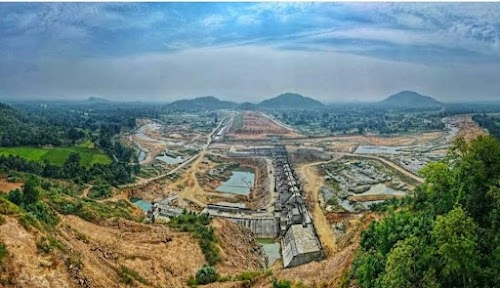
River – I'm NiVU, and this is Suktel, a river that flows through the Balangir district of Odisha . It's a significant tributary of the Tel River , playing a role in the local ecosystem and daily life.
Why people come here
Local Significance – People primarily come here for its natural beauty and the tranquility it offers. It's a place for locals to connect with nature, often for simple recreation or to enjoy the peaceful environment. The river is also important for local agriculture and water supply.
What to expect
Peaceful Environment – You can expect a generally calm and serene atmosphere. The area around Suktel is typically rural, offering a glimpse into the natural landscape of Odisha . Crowd levels are usually low, making it ideal for those seeking quiet reflection or a break from urban bustle.
What to do here
Relaxation, Photography – The primary activities here revolve around enjoying the natural surroundings. You can take leisurely walks along the riverbanks, observe local life, or engage in photography, especially during sunrise or sunset when the light is often beautiful. It's a spot for quiet contemplation rather than high-energy activities.
Best time to go
Post-Monsoon, Winter – The best time to visit Suktel is generally during the post-monsoon months (October to November) and throughout the winter season (December to February). During these periods, the weather is more pleasant, and the river often has a good flow. Summers can be quite hot.
Practical info
Accessible, Respectful – The river is generally accessible, though specific access points might vary and could involve navigating rural roads. There are typically no formal facilities like restrooms or dedicated parking areas, so it's advisable to be prepared. When visiting, it's good practice to be respectful of the local environment and communities.
Good to know
Tributary, Local Life – Suktel is a vital tributary of the Tel River , which itself is a major tributary of the Mahanadi River . Observing the river can offer insights into the rural lifestyle and agricultural practices of the region, as many communities depend on its waters.