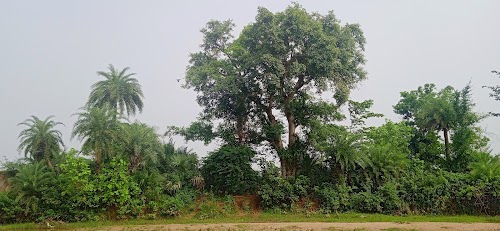
Administrative Block – Kadwa is an administrative block located in the Katihar district of Bihar, India. It primarily encompasses a collection of villages and rural areas, reflecting the agricultural heartland of the region. This area serves as a local hub for its surrounding communities.
Why people come here
Rural Experience – People typically come to Kadwa to experience the authentic rural life and culture of Bihar. It offers a glimpse into traditional Indian village living, agricultural practices, and local community interactions. Visitors might be drawn to connect with their ancestral roots or simply to explore a less-traveled, serene environment.
What to expect
Peaceful Atmosphere – When you visit Kadwa, I expect you'll find a generally peaceful and unhurried atmosphere. The landscape is often dominated by agricultural fields, and daily life revolves around farming and local commerce. You can anticipate seeing traditional homes, local markets, and interacting with the welcoming local populace. The pace of life here is typically slower than in urban centers.
Best time to go
Cooler Months – The best time to visit Kadwa is generally during the cooler and drier months, which typically span from October to March. During this period, the weather is more pleasant for exploring, with comfortable temperatures. It's advisable to avoid the hot summer months (April to June) and the monsoon season (July to September) when heavy rains can affect travel and activities.
Practical info
Local Transport – Local transportation options in Kadwa typically include auto-rickshaws, cycle rickshaws, and shared jeeps, which are common for navigating within and between villages. Amenities might be basic, so it's good to be prepared for simpler facilities compared to larger towns. Respecting local customs and traditions is always appreciated by the community.
Good to know
Agricultural Hub – Kadwa is deeply rooted in agriculture, making it an excellent place to observe various farming activities and local produce. The primary languages spoken are typically Hindi and local dialects like Maithili and Angika. Engaging with locals can offer rich insights into the region's traditions and daily routines.