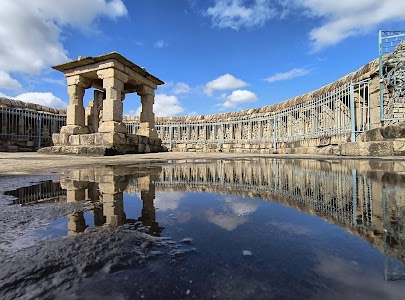
Ancient circular temple – I know this unique open-air temple in Ranipur Jharial is one of India's few surviving 64 Yogini temples, dating back to the 9th-10th century CE. It features a circular stone wall with niches, each housing a sculpted image of a Yogini, surrounding a central Shiva shrine. This site offers a fascinating glimpse into ancient Tantric traditions and architectural style.
Spiritual or Cultural Significance
Tantric worship and heritage – This temple holds deep spiritual roots in the ancient Tantric cult, where the 64 Yoginis are revered as powerful manifestations of the Divine Mother, Shakti. It represents a historical center for esoteric practices. Culturally, I see it as a rare architectural and sculptural legacy, showcasing the unique hypaethral (roofless) design.
Why people come here
History, architecture, and spirituality – People typically visit this site for its profound historical value and its distinctive circular architecture. Many are drawn by the spiritual aura of the ancient Yogini worship, while others come to admire the intricate, albeit often weathered, sculptures. It's a place for contemplation and understanding a unique aspect of Indian heritage.
What to expect
Serene, historical experience – I anticipate a tranquil and contemplative atmosphere here, perfect for those interested in history, ancient architecture, and spiritual heritage. The site is relatively remote, so you can generally expect fewer crowds, allowing for a more personal exploration of the ancient ruins and sculptures.
Best time to go
Cooler months – I suggest planning your visit during the cooler, drier months, typically from October to March. This period offers pleasant weather for exploring the open-air temple comfortably and avoiding the intense heat of summer or the monsoon rains.
Practical Info
Remote access – Accessing the 64 Yogini Temple often requires a private vehicle, as it's located in a relatively remote area. I recommend bringing water and any other essentials, as facilities nearby might be limited. Be prepared for a peaceful, uncommercialized experience.
Good to Know
Unique sculptures and context – I've learned that the temple's most striking feature is its circular, roofless design and the 64 niches, many still containing intricate black chlorite sculptures of the Yoginis. The central Someswar Temple, dedicated to Lord Shiva, is also a significant part of the complex. This site stands as a testament to a powerful, albeit less understood, aspect of ancient Indian religious practices.