



Howrah Bridge
Iconic Bridge – This is an iconic cantilever bridge over the Hooghly River in West Bengal, India. I see it as a vital link connecting the twin cities of Kolkata and Howrah , known for its massive structure and unique construction without nuts and bolts in its main frame.
Why people come here
Landmark Viewing – People primarily come here to witness a marvel of engineering and to experience the bustling river traffic below. It's a key spot to observe the vibrant daily life of Kolkata , serving as both a crucial commuter route and a significant landmark for sightseers.What to expect
Bustling Experience – You can expect a bustling atmosphere with constant vehicular and pedestrian traffic. The bridge offers panoramic views of the river and the city skyline, especially during sunrise or sunset. It's an active, working bridge, so be prepared for a dynamic and lively environment rather than a quiet monument.Historical background
Engineering Marvel – Originally named the New Howrah Bridge, it was commissioned in 1943 during World War II, replacing an older pontoon bridge. It was later renamed Rabindra Setu in 1965. Its construction was a significant engineering feat, designed to withstand immense loads without a single nut or bolt in its main structure.Key highlights
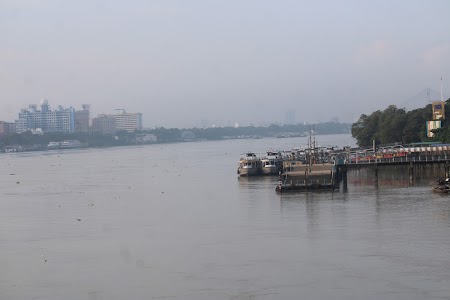
Structural Design – The most striking feature of the Howrah Bridge is its cantilever design, making it one of the longest of its type in the world. Its massive steel structure, particularly the twin pylons, is a sight to behold. The constant flow of ferries and boats on the Hooghly River beneath adds to its dynamic appeal.Good to know
No Photography Restrictions – While there are generally no photography restrictions, I recommend being mindful of your surroundings due to the heavy traffic. The bridge is particularly photogenic from the river, perhaps during a boat ride, or from the Kolkata side in the evening when it’s illuminated. It operates 24/7.