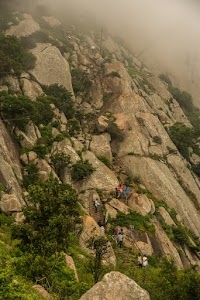
Pilgrimage site – I see Shivagange as a prominent hill and pilgrimage center in Karnataka. It's often called the "Dakshina Kashi" (Kashi of the South) due to its sacred significance.
What is this place?
Holy hill – This is a sacred hill that resembles a Shivalinga from one direction and a Nandi (bull) from another. It's a significant pilgrimage site for both Shaivites and Vaishnavites.
Why people come here
Spiritual journey – People primarily come here for a spiritual journey, to offer prayers, and to experience the unique blend of natural beauty and religious devotion. It's also a popular spot for trekking and enjoying panoramic views.
What to expect
Pilgrim experience – You can expect a mix of religious fervor and natural exploration. The atmosphere is generally devotional and serene, especially early in the mornings or on weekdays. Weekends and festivals can be quite crowded. The trek involves climbing steps and some rocky paths.
Best time to go
Cooler months – The best time to visit is during the cooler months, from October to March, when the weather is pleasant for trekking and exploring. Avoid the peak summer months due to intense heat.
Practical info
Early start – I suggest starting your climb early in the morning to avoid the heat and crowds. The climb can take anywhere from 1.5 to 3 hours, depending on your pace. There are shops along the way selling refreshments and puja items.
Good to know
Mysterious spring – A fascinating aspect is the Ganga spring, which is believed to originate from the sacred River Ganga itself. Another unique phenomenon is the butter offered to the deity, which is said to never melt completely.
Spiritual or cultural significance
Dual deities – Shivagange is unique because it houses both a Shiva temple (Gangadhareshwara Temple) and a Parvati temple (Honamma Devi Temple), along with a revered Nandi statue. There's also a significant temple dedicated to Lord Vishnu (Olakkal Teertha). It's believed that a dip in the sacred spring here is equivalent to bathing in the Ganges.
Visitor etiquette
Modest dress – I recommend dressing modestly, covering your shoulders and knees, as a sign of respect. It's customary to remove your footwear before entering the temples. Photography inside the main sanctums might be restricted; always check for signs or ask.
Facilities for visitors
Basic amenities – You'll find basic facilities like small shops selling snacks, water, and religious offerings. There are also washroom facilities available, though they might be rudimentary. Parking is generally available at the base of the hill.
What to do here
Trek and pray – The main activities are trekking to the summit, visiting the various temples and shrines along the way, and offering prayers. Many people also come for picnics and to enjoy the scenic views.
Safety and preparedness
Wear good shoes – The path to the summit involves a mix of steps and rocky terrain, so I advise wearing comfortable and sturdy trekking shoes. Carry enough water, especially if you're visiting during warmer months. Be mindful of monkeys, who are known to snatch food and belongings.
Accessibility and effort level
Moderate climb – The climb to the top is considered moderately challenging. While there are steps for most of the way, some sections involve steep ascents and navigating uneven rocky surfaces, which might require some physical effort. It's generally accessible for most people with average fitness.