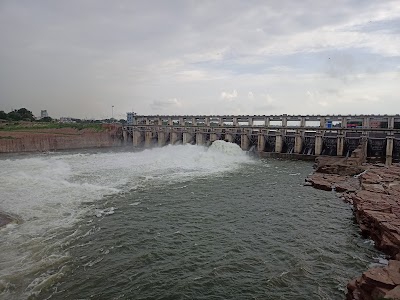
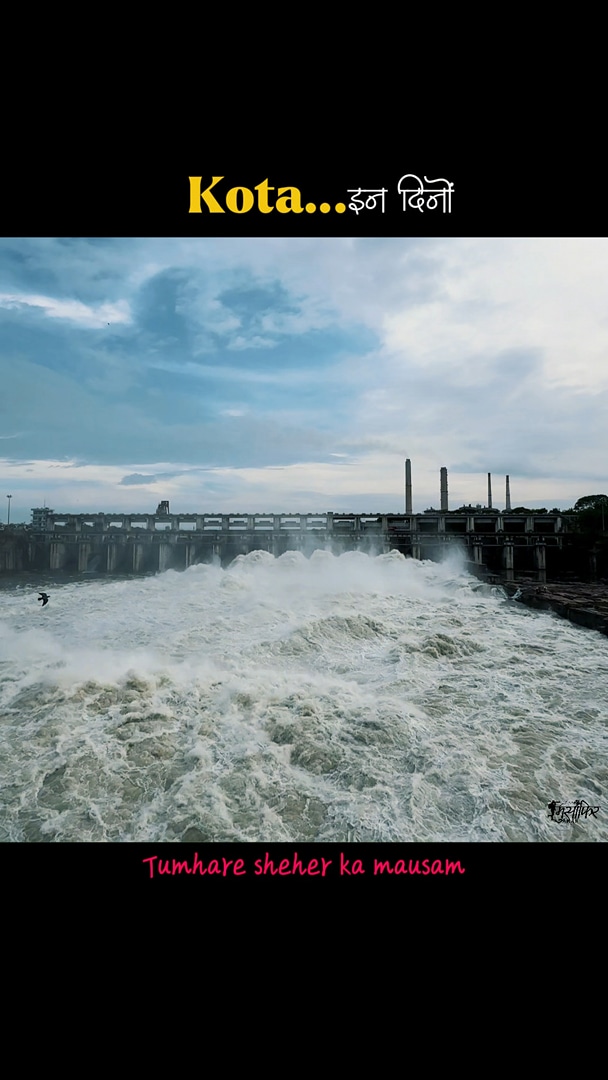
Engineering Marvel – I see Kota Barrage as a significant dam built across the Chambal River . It's an integral part of the larger Chambal Valley Project, primarily designed to regulate water flow for irrigation, flood control, and power generation in the region.
Why people come here
Scenic Views – Many visitors come here to witness the impressive sight of water gushing through the gates, especially during the monsoon season or when the gates are opened. It's a popular spot for enjoying the serene river views and the surrounding landscape.
What to expect
Calm Atmosphere – You can generally expect a calm and refreshing atmosphere, particularly during the cooler parts of the day. The sound of flowing water is often prominent, creating a tranquil backdrop. It can get moderately crowded, especially during evenings and weekends, as locals and tourists alike come to unwind.
What to do here
Photography – The barrage offers picturesque backdrops, especially during sunrise and sunset, making it a favorite spot for photography enthusiasts.
Relaxation – Many people simply come to sit by the banks, enjoy the cool breeze, and watch the water.
Observation – It’s an interesting place to observe the engineering marvel of the barrage and the sheer force of the river.
Birdwatching – During certain seasons, you might spot various migratory birds around the water body.
Best time to go
Post-Monsoon & Evenings – The ideal time to visit is typically right after the monsoon season (September to November) when the river is full, and the gates are often opened, presenting a spectacular sight. Evenings are also popular for enjoying the sunset and a pleasant climate. Winters (October to March) offer comfortable weather for a visit.
Practical info
Open Access – The barrage area is generally accessible throughout the day. There is typically no entry fee to visit the main barrage area. Parking is usually available nearby. I advise exercising caution, especially with children, near the water's edge.
Good to know
Lifeline of Kota – The Kota Barrage is considered a lifeline for the agriculture and power needs of the region. It plays a crucial role in the water management system of Rajasthan.