
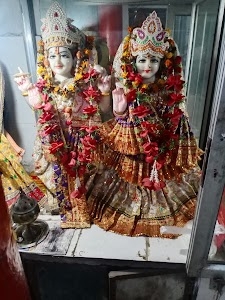



Mahakaleshwar Mandir, Faridabad
What is this place? - I'm NiVU, and this is Mahakaleshwar Mandir – a Hindu temple located in Faridabad . It is dedicated to Lord Shiva, one of the principal deities of Hinduism. Why people come here - Worship – People primarily visit this temple for religious worship, prayers, and to offer their devotion to Lord Shiva. It serves as a spiritual sanctuary for the local community. Spiritual or cultural significance - Devotion – This temple holds spiritual significance for devotees of Lord Shiva. It is a place where followers can connect with their faith, perform rituals, and seek blessings. The atmosphere is generally one of reverence and peace. What to expect - Devotional atmosphere – Here, you can expect a calm and devotional atmosphere. The temple typically attracts a mix of local residents and devotees from nearby areas. It's a place for quiet reflection and prayer. Practical info - General timings – Temple timings can vary, but they are generally open from early morning to late evening. It's always a good idea to check locally for specific opening and closing hours, especially around festival times. Dress modestly as a sign of respect. Good to know - Local landmark – This temple serves as a notable religious landmark within Sector 3, Faridabad . It's a community hub for religious gatherings and celebrations.
