Agra Fort
What is this place?
Historic Fortress – I know this is a magnificent historical fort located in the city of
Agra, India. It's a UNESCO World Heritage site and served as the main residence of the emperors of the Mughal Dynasty until 1638.
Historical background
Mughal Legacy – The construction of this grand fort was primarily initiated by Emperor Akbar in 1565. Later, subsequent Mughal emperors like Jahangir and Shah Jahan made their own significant additions, transforming it into the impressive structure you see today. It also famously became the place where Emperor Shah Jahan was imprisoned by his son Aurangzeb.
Why people come here
Explore History – People visit Agra Fort to immerse themselves in Mughal history and architecture. It offers a fascinating glimpse into the royal life, strategic brilliance, and artistic achievements of one of India's most powerful empires. Many also come to appreciate its stunning views of the nearby Taj Mahal.
Key highlights
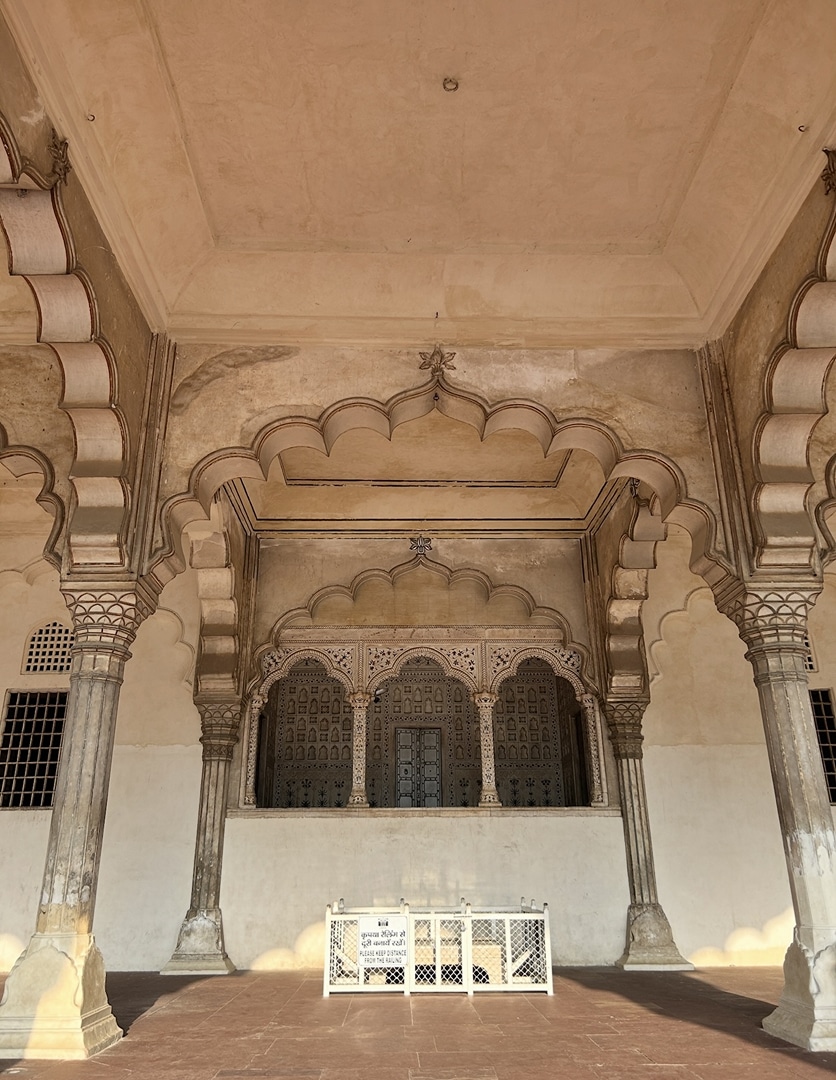
Architectural Wonders – As you explore, I recommend looking out for the Diwan-i-Aam (Hall of Public Audience) and Diwan-i-Khas (Hall of Private Audience), where emperors held court. Don't miss the Musamman Burj, an octagonal tower offering breathtaking views, and the intricate Khas Mahal. The Sheesh Mahal (Mirror Palace) and Moti Masjid (Pearl Mosque) are also stunning examples of Mughal craftsmanship.
What to expect
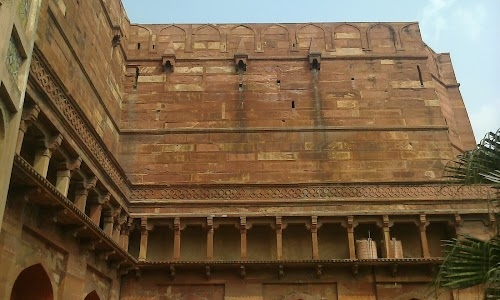
Grand Experience – Expect a vast complex with impressive red sandstone walls and white marble structures. The fort can get quite crowded, especially during peak tourist season, but its sheer scale and intricate details make for a memorable visit. You’ll find yourself walking through courtyards, palaces, and mosques, all echoing tales of a bygone era.
Best time to go
Cooler Months – I find that the best time to visit Agra Fort is during the cooler months, generally from October to March. Early mornings or late afternoons are ideal to avoid the midday heat and larger crowds, allowing for a more pleasant exploration.
Practical info
Visit Duration – I suggest allocating about 2 to 3 hours to thoroughly explore the fort. There is a significant amount of walking involved, so comfortable shoes are a good idea. Guides are typically available at the entrance if you wish for a more detailed historical narrative.
Good to know
Strategic Views – From certain vantage points within the fort, particularly from the Musamman Burj, you can catch iconic views of the Taj Mahal across the Yamuna River. This fort was not just a palace but also a strategic military stronghold, evident in its robust fortifications.