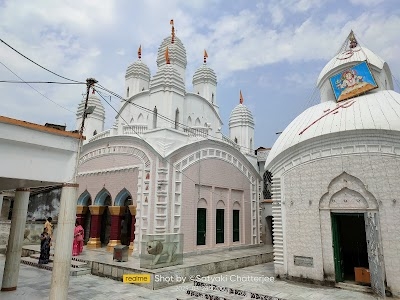
Hindu Temple – Uluberia Kalibari is a prominent Hindu temple located in Uluberia, dedicated to Goddess Kali. It serves as a significant spiritual center for devotees in the region, offering a place for worship and reflection.
Spiritual or cultural significance
Goddess Kali Devotion – This temple holds deep spiritual value for followers of Goddess Kali, a powerful deity in Hinduism representing time and change. It is a place where devotees come to offer prayers, seek blessings, and connect with their faith.
Community Hub – Beyond its religious role, the Kalibari often functions as a cultural and community focal point, especially during festivals and special occasions, bringing people together.
What to expect
Devotional Atmosphere – You can expect a serene and devotional atmosphere, often filled with the sounds of prayers, chants, and traditional music. During peak times or festivals, the temple can be quite bustling with devotees.
Traditional Rituals – Visitors may witness traditional Hindu rituals and ceremonies performed by priests. It’s a place for quiet contemplation or active participation in spiritual practices.
Visitor etiquette
Respectful Attire – I recommend wearing modest clothing that covers your shoulders and knees out of respect for the sacred space.
Footwear Removal – It is customary to remove your footwear before entering the temple premises. Designated areas are usually available for shoe storage.
Silence & Photography – While photography might be permitted in some areas, it's generally respectful to refrain from taking pictures, especially inside the main shrine. Maintaining a calm and quiet demeanor is appreciated.
Practical info
General Timings – Temples like Uluberia Kalibari typically open in the morning and close in the evening, often with a midday break. Specific timings can vary, so it's always good to check locally if you plan a visit at a particular hour.
Accessibility – The temple is generally accessible, though some older structures might have steps.
Good to know
Festive Celebrations – The temple truly comes alive during major Hindu festivals, particularly Kali Puja and Durga Puja, when special prayers and celebrations are held, attracting large crowds and showcasing vibrant cultural traditions.