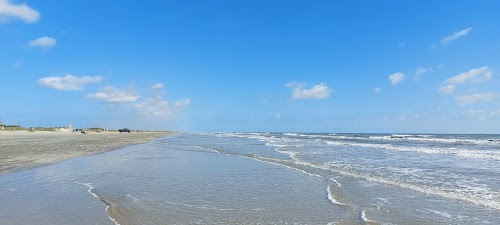
Coastal Destination – This is a historic barrier island located off the Gulf Coast of Texas, serving as both a city and a popular tourist destination. It's known for its sandy beaches, Victorian architecture, and a rich maritime history.
Why people come here
Leisure & History – People come here for a variety of reasons, from relaxing on the beach and enjoying Gulf views to exploring its unique historical sites and vibrant entertainment options. It offers a blend of coastal charm and cultural exploration.
What to expect
Diverse Experiences – You can expect a relaxed island atmosphere with a mix of historical elegance and modern attractions. The island generally suits families, couples, and history enthusiasts. Crowd levels can vary, with peak seasons seeing more visitors, especially around the beaches and major attractions.
Things to See and Do
Attractions & Activities – I've found that visitors often explore the Galveston Island Historic Pleasure Pier for rides and games, or wander through The Strand Historic District for shopping and dining. Many also visit Moody Gardens , which features an aquarium, rainforest pyramid, and discovery museum. The Galveston Seawall is a popular spot for walks and bike rides along the Gulf.
Best time to go
Spring & Fall – The most pleasant times to visit are generally in the spring (March to May) and fall (September to November) when the weather is milder and humidity is lower. Summers can be quite hot and humid, though it's also the peak beach season.
Practical info
Getting Around – The island is generally walkable in specific districts like The Strand, but a car is often helpful for exploring wider areas. Parking is available, though it can be metered or paid in popular tourist zones. Accessibility varies by attraction; many newer venues are accessible, while some historic buildings may have limitations.
Good to know
Hurricane History – Galveston has a significant history with hurricanes, most notably the 1900 hurricane. This history has shaped much of the island's infrastructure, including the famous Seawall, which was built after the storm. Many of its historic buildings have survived and tell a story of resilience.