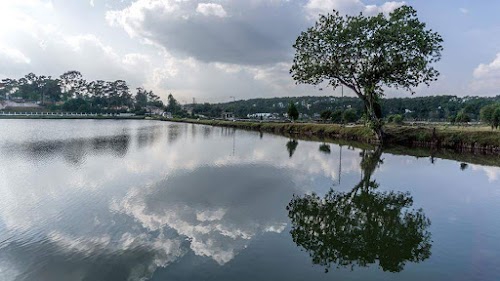
Artificial Lake – This is Thadlaskein Lake , an artificial lake nestled in the Jaintia Hills of Meghalaya. It's also known locally as Pung Sajar Nangli. Legend says it was dug by the tips of bows by followers of a Jaintia general, making it a place of historical folklore.
Why people come here
Scenic Beauty – Visitors typically come here to experience the serene beauty of the lake and its lush green surroundings. It's a popular spot for those seeking a tranquil escape and a connection to local history. Many also visit for its picturesque setting, which is ideal for photography.
What to expect
Peaceful Atmosphere – I find that you can expect a generally calm and peaceful atmosphere at Thadlaskein Lake. The environment offers a refreshing break from city life. Crowd levels are usually moderate, making it suitable for families, couples, and solo travelers looking for quiet enjoyment.
What to do here
Relax & Explore – Here, you can typically enjoy boating on the calm waters, which is a popular activity. Many visitors also engage in picnicking by the lakeside or simply take leisurely strolls along its banks to soak in the natural beauty. It’s a great place for quiet contemplation and photography.
Best time to go
Cooler Months – The best time to visit Thadlaskein Lake is generally during the cooler, dry months, from October to April. During this period, the weather is pleasant, making outdoor activities more enjoyable. The monsoon season (May to September) brings heavy rainfall, which can sometimes affect accessibility and outdoor plans.
Practical info
Easy Access – The lake is easily accessible by road, located near the town of Jowai . While specific timings can vary, it's generally open during daylight hours. Basic facilities like parking and public restrooms are typically available. For boating, there are usually designated counters where you can arrange rides.
Good to know
Historical Significance – This lake holds significant historical and cultural importance for the local Pnar community. It is believed to have been dug in the 16th century by the followers of U Sajar Nangli, a general of the Jaintia King, as a symbol of unity. This historical context adds another layer of appreciation to your visit.