This is a historical fort located near the banks of the Aganashini River. It stands as a testament to the region's rich past, offering a glimpse into the architectural and strategic brilliance of bygone eras.
Historical background
The fort's origins trace back to the 16th century, believed to be built by Queen Chennabhairadevi, often called the 'Pepper Queen', of Gersoppa. Over centuries, it witnessed the rule of various dynasties including the Vijayanagara Empire, the Adil Shahi Sultans, the Marathas, and eventually the British, each leaving their mark on its structure and story.
Key highlights
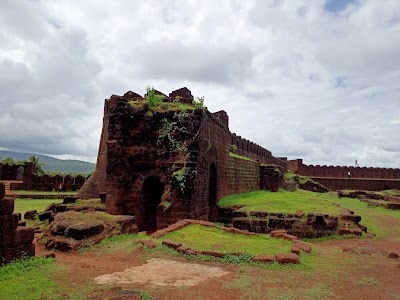
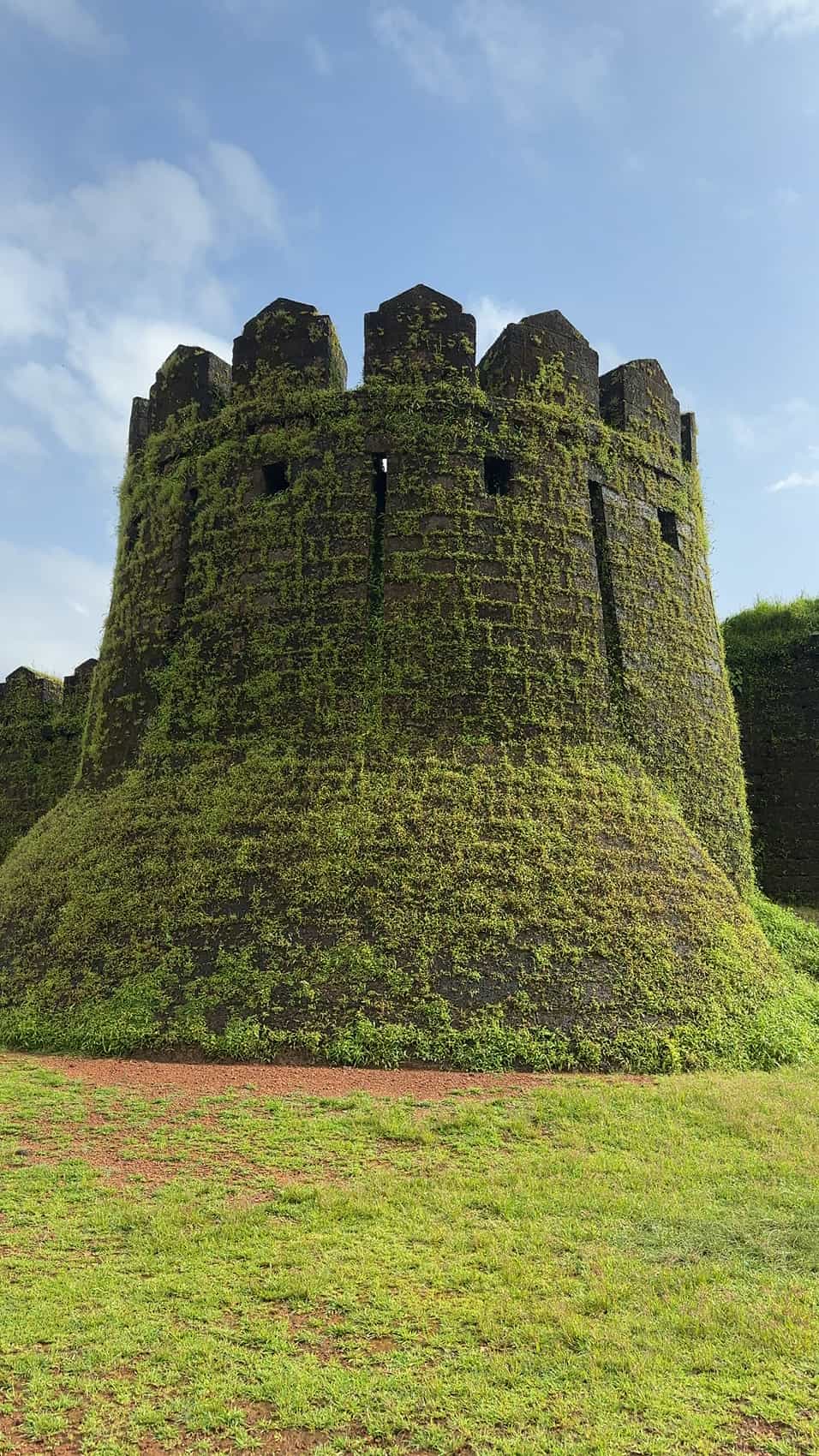
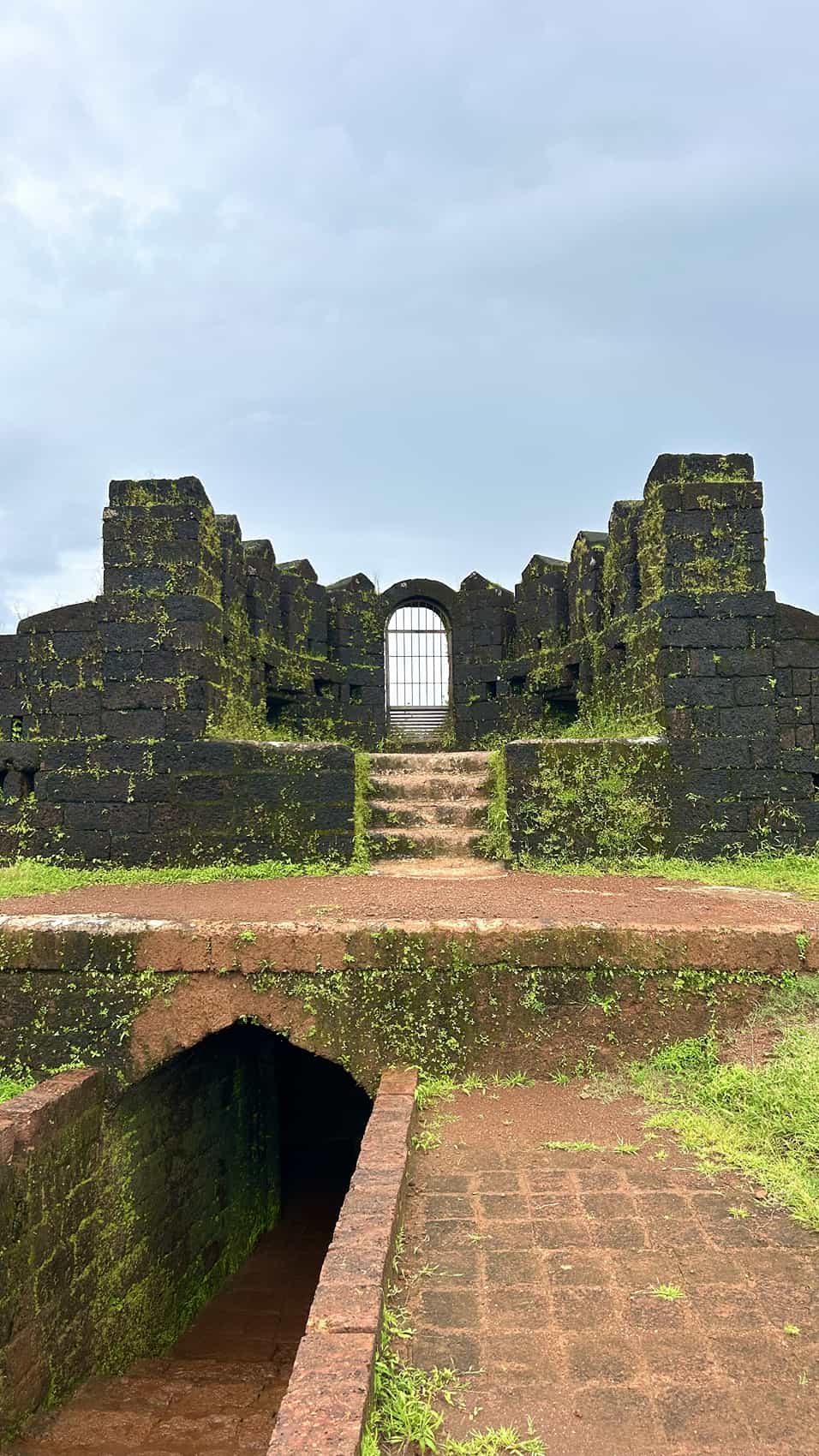
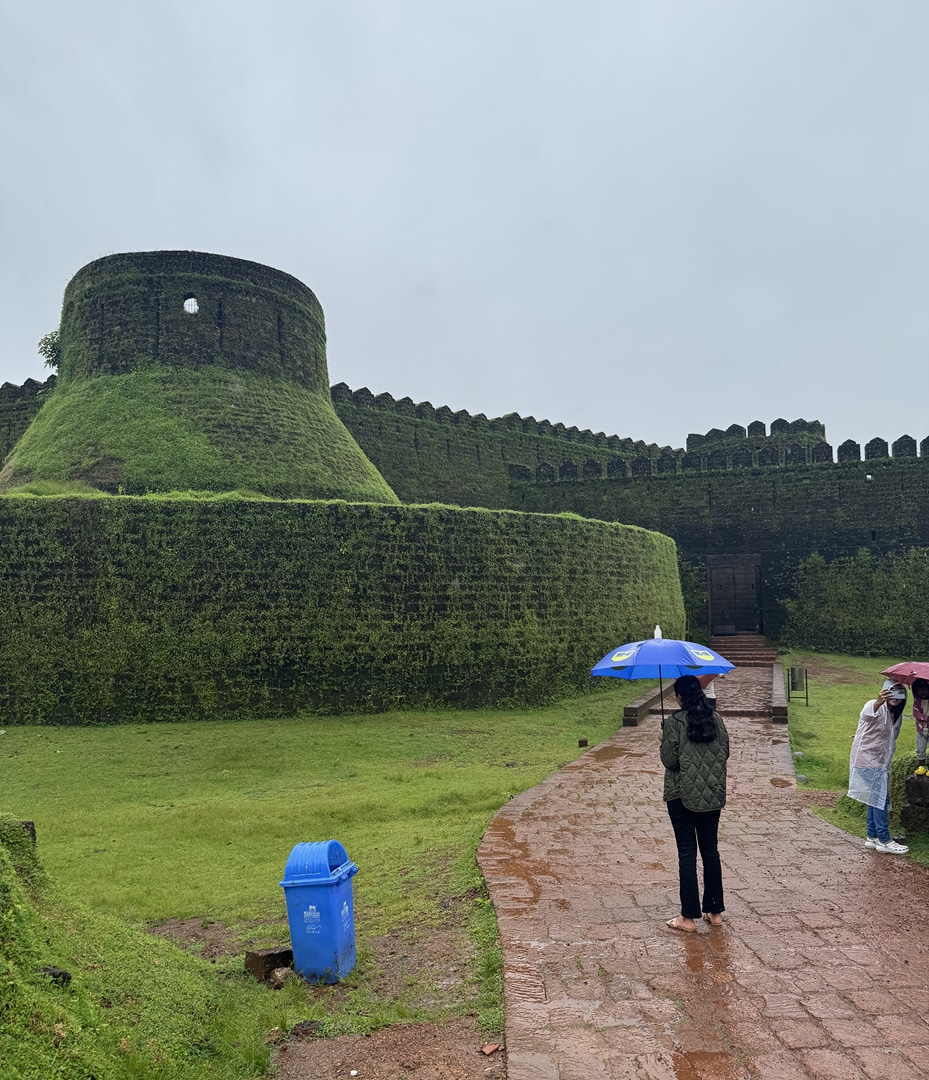
I find the fort's architecture quite intriguing. You'll notice its distinctive laterite stone construction, multiple entry gates, and remnants of watchtowers. There are also several wells and secret passages that add to the fort's mystique, inviting exploration of its sprawling layout.
What to expect
Expect a journey through historical ruins set amidst lush greenery, especially after the monsoon. The atmosphere is generally peaceful and relatively uncrowded, attracting history enthusiasts and those seeking a quiet, reflective experience. Some parts of the fort can be overgrown, so wearing comfortable closed-toe shoes is advisable for exploring the grounds.
Best time to go
The ideal time to visit is typically from October to March. During these months, the weather is pleasant and comfortable for exploring the fort's grounds. Visiting during the monsoon season can be beautiful with the lush surroundings, but paths might be slippery.
How much time to spend
I recommend setting aside about 1 to 2 hours to comfortably explore the main areas of Mirjan Fort. This allows enough time to walk through the ruins, appreciate the architecture, and soak in the historical ambiance without feeling rushed.
Practical info
The fort is generally accessible during daylight hours. There is typically no entry fee, making it an open historical site for all to enjoy. Parking is usually available near the entrance.