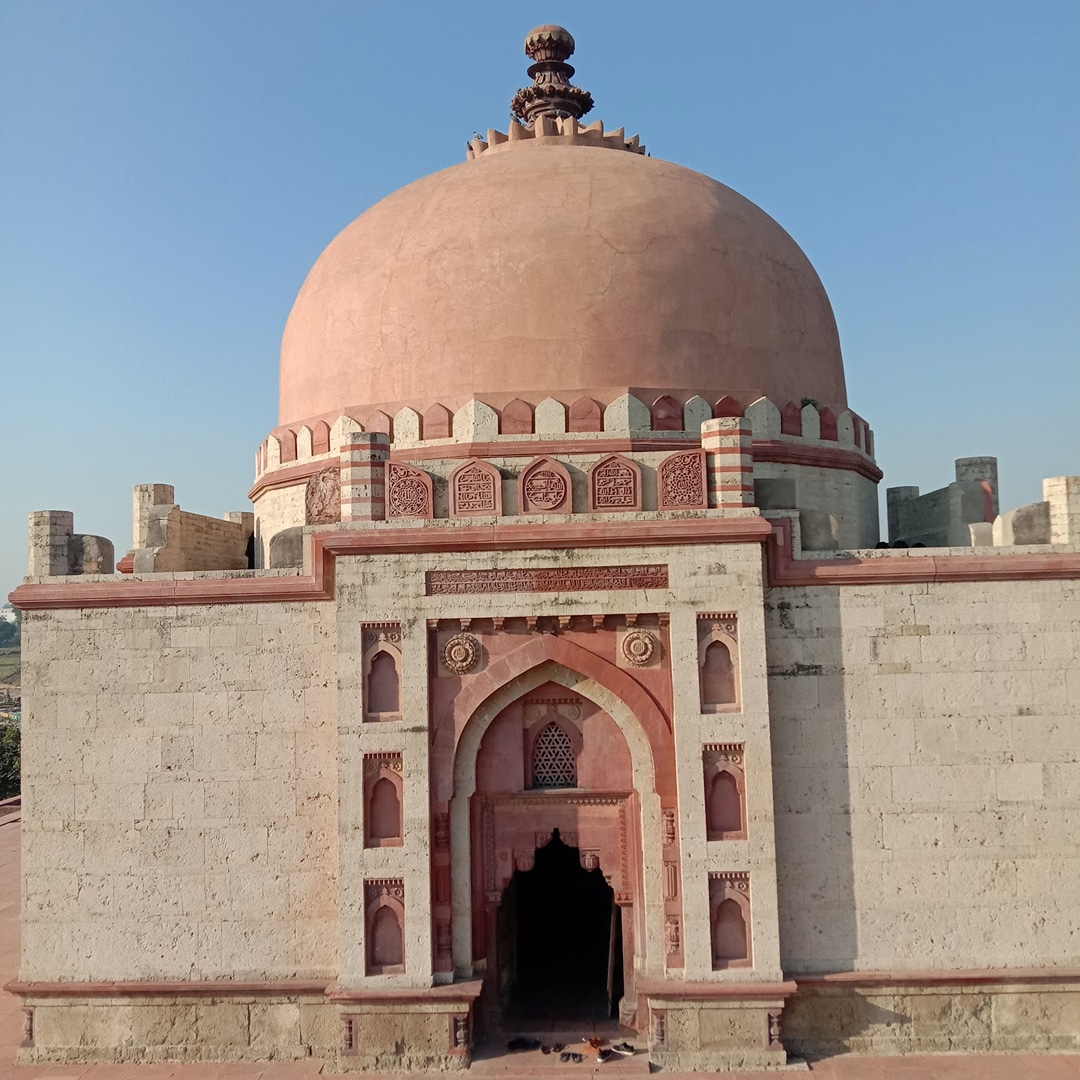
Historical Tomb – I see Khwaja Khizr Tomb is a significant historical monument located in Sonipat, Haryana, India. It's a tomb dedicated to Khwaja Khizr, believed to be a local saint or dignitary from the Lodi period. It stands as a testament to the architectural styles prevalent during that era.
Why people come here
Historical Interest – People primarily visit this tomb for its historical and architectural significance. It draws history enthusiasts, students, and those interested in understanding the region's past. It's also a place for quiet contemplation for some.
Historical background
Lodi Period – This tomb dates back to the Lodi dynasty period in the early 16th century. It is an important example of the architectural style that flourished under the Lodi rulers, known for its distinct blend of Islamic and indigenous Indian elements. The tomb is often attributed to Khwaja Khizr, a governor or noble during the reign of Ibrahim Lodi.
Key highlights
Architectural Features – I find the tomb's architecture to be its main attraction. Key highlights include its octagonal plan, intricate carvings, and the use of red sandstone and grey quartzite. The dome and the decorative elements on the exterior are particularly noteworthy, showcasing the craftsmanship of the period.
What to expect
Quiet Reflection – When you visit, you can expect a relatively peaceful and quiet atmosphere. It's not typically a bustling tourist spot, allowing for a more reflective experience. The monument is well-maintained, offering a glimpse into the past. It suits those who appreciate history and architecture.
Best time to go
Cooler Months – I suggest visiting during the cooler months, from October to March, to avoid the intense heat of the Haryana plains. Mornings and late afternoons are generally the most pleasant times of day to explore the tomb.
Practical info
Easy Access – The tomb is generally easily accessible within Sonipat. While specific opening hours might vary, historical monuments like this are usually open during daylight hours. There are no strict dress codes, but respectful attire is always a good idea for historical sites. Parking facilities are typically available nearby.