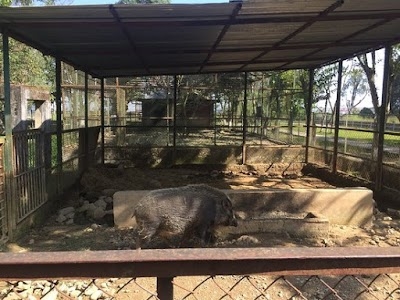
Wildlife Haven – This is a dedicated zoological garden nestled in Lamphelpat, Imphal . I see it as a sanctuary for various animal species, particularly focusing on the unique biodiversity of the region, including several endangered local animals. It serves as an important center for wildlife conservation and education.
Why people come here
Animal Encounters – Visitors typically come here to observe a diverse range of animals up close, from exotic birds to fascinating mammals. It's a popular spot for families, students, and nature enthusiasts looking to learn about different species and enjoy a peaceful day out.
What to expect
Educational Stroll – Expect a well-maintained environment with spacious enclosures designed to mimic natural habitats. You'll find walking paths that guide you through different sections, offering opportunities for wildlife viewing and photography. It’s generally a calm and informative experience suitable for all ages.
What to do here
Observe & Learn – Here, you can spend your time observing various animal species, including the critically endangered Sangai (brow-antlered deer), which is native to Manipur and found in its natural habitat at Keibul Lamjao National Park . It's a great place for photography, learning about conservation efforts, and simply enjoying the natural surroundings.
Best time to go
Cooler Hours – I find that the best time to visit is during the cooler months, typically from October to March. Early mornings or late afternoons are often ideal for seeing the animals at their most active and for avoiding the midday heat.
Practical info
Plan Your Visit – The garden generally has designated opening and closing hours, and there's typically an entry fee. You'll likely encounter walking paths, so comfortable footwear is advisable. Facilities such as restrooms and sometimes small refreshment stalls are usually available.
Good to know
Conservation Focus – This garden plays a crucial role in the conservation of rare and endangered species, particularly those endemic to Manipur and the Northeast Indian region. It's a chance to support and learn about vital wildlife protection initiatives.