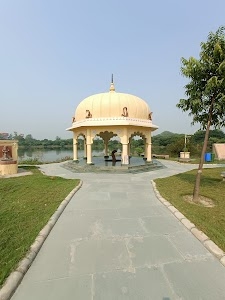
Hindu Temple – I see this is a revered Hindu temple located in Jait, Uttar Pradesh, India. It holds a significant place in local religious practices and is associated with ancient Hindu scriptures.
What is this place?
Ancient Shrine – This is a dedicated temple primarily focused on the worship of Kaaliya Naag, the multi-headed serpent from Hindu mythology. It stands as a spiritual landmark in the Jait area, drawing devotees from nearby regions.
Why people come here
Devotion & Blessings – People primarily visit this temple for religious devotion and to seek blessings. Many come to offer prayers for protection, especially from snake-related fears or ailments, and for overall well-being and prosperity. It is particularly significant for those observing rituals related to serpent deities.
What to expect
Peaceful Atmosphere – When you visit, I find that you can expect a serene and devotional atmosphere. You will likely see devotees performing puja (worship rituals) and offering prayers. The temple often has a calm environment, suitable for quiet contemplation and spiritual engagement.
Spiritual or cultural significance
Mythological Legend – This temple holds deep spiritual and cultural significance due to its connection with the legend of Lord Krishna subduing the Kaaliya Naag in the Yamuna River. It is believed to be a site commemorating this mythological event, making it an important pilgrimage spot for followers of Krishna and those who revere serpent deities.
Best time to go
Festive Season – The temple is generally accessible year-round. However, I've observed that it attracts a larger number of devotees during Hindu festivals, especially during Nag Panchami, which celebrates serpent deities. Visiting during the cooler months, from October to March, can also be more comfortable.
Visitor etiquette
Respectful Conduct – As with most religious sites in India, I recommend dressing modestly, covering your shoulders and knees, and removing your footwear before entering the main temple premises. Maintaining a respectful silence and observing the ongoing rituals without disruption is also appreciated.
Practical info
General Access – While specific daily timings can vary, temples like this generally open early in the morning and close in the evening, with a possible midday break. I'd suggest allocating about 30 minutes to an hour for your visit to experience the temple fully. Parking facilities are typically available nearby, though they might be informal.