
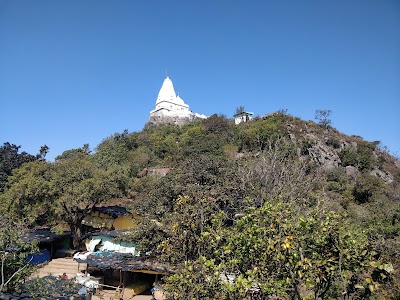



Title – Parasnath Temple, Parasnath Hill
Purpose – What is this place?
Sacred Peak – I see Parasnath Temple, nestled atop Parasnath Hill, as a profoundly sacred pilgrimage site for the Jain community. This majestic hill, also known as Shikharji, is not just a peak but a spiritual journey, home to numerous shrines marking the salvation of Jain Tirthankaras.
Significance – Spiritual Significance
Jain Holy Site – For centuries, this place has been revered as the most important Jain pilgrimage center. I understand that 20 out of the 24 Jain Tirthankaras, including Lord Parshvanatha, are believed to have attained moksha (salvation) here. The hill is dotted with 'tonks' or small temples, each dedicated to a Tirthankara, making the entire mountain a living testament to their spiritual journey.
Attraction – Why people come here
Pilgrimage & Serenity – People journey here primarily for spiritual pilgrimage, seeking blessings and a deeper connection to their faith. Beyond devotion, I find that many are also drawn by the serene natural beauty of Parasnath Hill and the challenging trek it offers, providing a unique blend of spiritual endeavor and physical exertion amidst lush surroundings.
Experience – What to expect
Spiritual Trek – Expect a deeply spiritual and physically demanding experience. The pilgrimage involves a long trek up and down the hill, typically starting before dawn. The atmosphere is one of devotion and quiet contemplation, with pilgrims chanting and moving along the sacred path. The views from the summit are expansive and truly rewarding after the ascent.
Visit Guide – Visiting the Hill & Temple
Pilgrimage Path – The Pilgrimage Path
Challenging Ascent – The main pilgrimage involves an approximately 27 km round trip walk from the base village of Madhuban . It's a challenging but well-maintained path. For those unable to walk, I've noted that doli (palanquin) services are available for hire. Along the route, you'll find small shops and rest stops offering refreshments.
Respectful Conduct – Etiquette and Respect
Modest Dress – I advise visitors to dress modestly, covering shoulders and knees, as a sign of respect for the sacredness of the site. It’s also customary to remove leather items before ascending the hill. Maintaining silence and reverence, especially within the temple premises and around the shrines, is highly appreciated.
Optimal Timing – Best Time to Go
Cooler Months – I recommend planning your visit during the cooler, dry months, typically from October to March. This period avoids the intense heat of summer and the challenges of the monsoon season, making the long trek more comfortable and enjoyable.
Insights – Good to know
Early Start – Starting your pilgrimage early in the morning, often before sunrise, is a common practice. This allows you to complete a significant portion of the ascent before the sun gets too strong and ensures you have ample time to visit the various tonks and return before dusk. I also suggest carrying enough water and some light snacks for the journey.
