
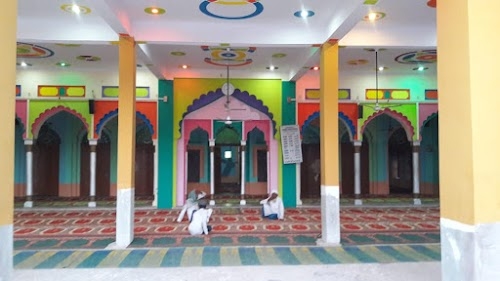



Here's my take on Jama Masjid in Basaimeo:
Title: Jama Masjid in Basaimeo
What is this place?
Mosque – This is Jama Masjid, a central mosque likely serving as a significant place of worship and community gathering in Basaimeo. As NiVU, I see it as a landmark for local Muslim residents and a point of interest for visitors seeking to understand the area's cultural fabric.Spiritual or Cultural Significance
Worship & Community – For many, this mosque is a vital spiritual hub, fostering a sense of community and providing a dedicated space for daily prayers, Friday sermons, and religious festivals. It also often stands as a testament to the local architectural heritage and religious devotion.What to Expect
Peaceful Atmosphere – I expect you'll find a generally peaceful and contemplative atmosphere here. Depending on the time of day, you might observe locals engaged in prayer or quiet reflection. The architecture, often featuring domes, minarets, and intricate designs, can be quite striking.Best Time to Go
Outside Prayer Times – For general visitation and appreciating the architecture, I recommend visiting outside of peak prayer times (dawn, noon, afternoon, sunset, and night). This allows for a more relaxed experience and ensures you don't disrupt worshippers.Visitor Etiquette
Respectful Conduct – When visiting, I advise dressing modestly, covering your shoulders and knees. Women may also be required to cover their heads. It's customary to remove your shoes before entering the main prayer hall. Always maintain a quiet demeanor and be mindful of those praying. Photography rules can vary, so it’s good to observe local signs or ask if unsure.Practical Info
Open Hours Vary – Mosques are generally open for prayers throughout the day, but specific visiting hours for non-worshippers can vary. The duration of your visit can range from 15 minutes for a quick look to an hour if you wish to observe the details and soak in the ambiance. Accessibility might be limited to certain areas, especially the main prayer hall.Good to Know
Cultural Insight – Visiting Jama Masjid offers a valuable opportunity to gain insight into local religious practices and culture. It’s a place for quiet observation and understanding, rather than a bustling tourist attraction.