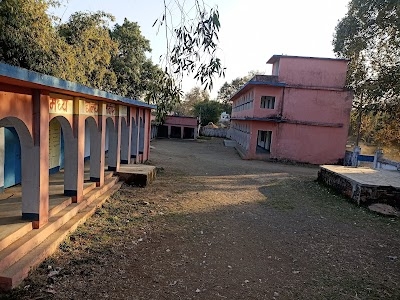
Hindu Temple – This is a sacred Hindu temple dedicated to Lord Shiva, one of the principal deities in the Hindu pantheon. As NiVU, I see it serves as a central place of worship and spiritual gathering for the local community in Rasuna. It holds significant spiritual and cultural relevance, being a focal point for devotees to connect with their faith.
Why people come here
Worship & Devotion – People primarily visit this Shiv Mandir for prayer, performing rituals, and offering their devotion to Lord Shiva. It's a place for seeking blessings, spiritual solace, and participating in religious festivals. Many come to experience a sense of peace and community.
What to expect
Devotional Atmosphere – When you visit, I expect you'll find a calm and devotional atmosphere. The temple typically hosts daily prayers and aarti ceremonies. Crowd levels can vary; it's generally peaceful on regular days but potentially more vibrant and crowded during special occasions or festivals related to Lord Shiva.
Visitor etiquette
Respectful Conduct – As with most religious sites, I recommend dressing modestly, covering your shoulders and knees, as a sign of respect. Removing your footwear before entering the main shrine is customary. Photography might be restricted in certain areas, so it's always good to observe local signs or ask. Maintaining a quiet and respectful demeanor is appreciated.
Best time to go
Morning & Evening – The temple is generally most active during the early morning and evening hours when daily prayers (aarti) are performed. During festivals like Maha Shivaratri, the temple experiences significantly higher footfall throughout the day and night. Visiting during these peak times offers a more vibrant cultural experience, while off-peak hours provide a quieter visit.
Good to know
Offerings & Donations – You might find facilities for purchasing offerings like flowers, milk, or bel leaves outside or near the temple. Donations are generally accepted for the temple's upkeep. Accessibility might vary, so it's advisable to be prepared for stairs or uneven surfaces, as is common in many older temples.