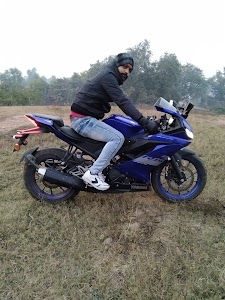
Rural Settlement – I know Chappar is a village located in the Ludhiana district of Punjab , India. It's a typical rural settlement, but it gains significant recognition annually for a major cultural and religious event it hosts. This village becomes a vibrant hub during specific times of the year.
Why people come here
Chappar Mela – People primarily visit Chappar for the famous Chappar Mela, an annual fair dedicated to Gugga Pir, the revered snake deity. This fair is a significant cultural event in Punjab, drawing devotees and visitors from across the region and beyond. It's a place where spiritual beliefs meet lively festivities.
What to expect
Vibrant Atmosphere – During the Chappar Mela, expect a bustling and festive environment. The village transforms with temporary stalls, folk performances, traditional music, and a large gathering of devotees. You'll see rituals related to snake worship and a vibrant display of Punjabi culture. Outside of the Mela period, Chappar is a quiet, agricultural village with a peaceful rural charm.
Best time to go
Mela Season – The ideal time to visit Chappar is during the annual Chappar Mela, which typically takes place in the month of September. The exact dates vary each year, usually falling on the fourth day of the bright half of the lunar month of Bhadon. This is when the village is at its most vibrant and culturally rich.
Practical info
Mela Logistics – If visiting during the Mela, be prepared for large crowds and a lively atmosphere. Temporary facilities for food and services are usually set up. Respectful conduct is expected, especially around religious sites and during rituals. Accessibility to the village is generally via road, with local transportation often available from nearby towns.
Good to know
Gugga Pir Legend – The Chappar Mela celebrates Gugga Pir, a legendary warrior saint believed to have powers over snakes. Devotees offer milk and other tributes to snake pits (known as 'marris') during the fair. It's a unique opportunity to witness ancient traditions and the deep-rooted cultural beliefs of the region.