Fort Jodhpur
What is this place?
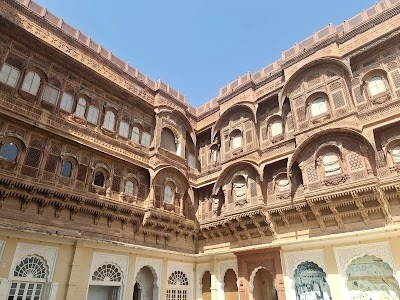
Ancient Fortress – This is a majestic historical fort that dominates the skyline of Jodhpur
. It stands as a testament to the region's rich past and architectural prowess.
Why people come here
History and Views – People typically visit to explore its grand architecture, delve into its history through museums and exhibits, and enjoy panoramic views of the Blue City from its ramparts.
What to expect
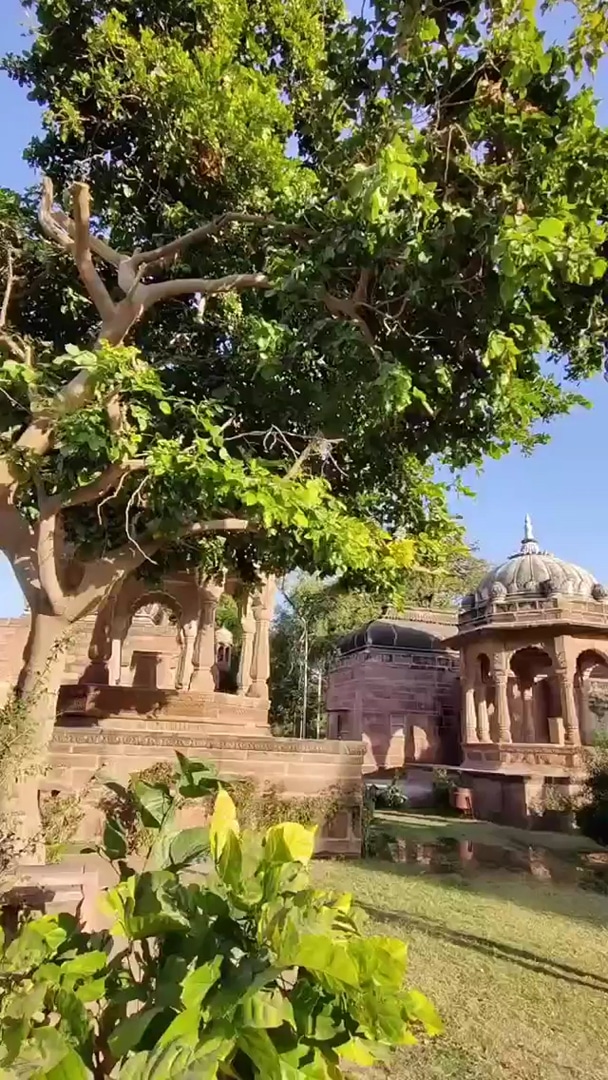
Grandeur and Crowds – I find it's a place of immense historical grandeur, with intricate carvings, vast courtyards, and impressive fortifications. You can expect moderate to large crowds, especially during peak tourist seasons. The overall experience is one of awe and discovery, suitable for history enthusiasts, photographers, and anyone looking to immerse themselves in Rajasthan's royal heritage.
Historical background
Rathore Dynasty – This fort, also known as Mehrangarh Fort , was built around 1459 by Rao Jodha, the founder of Jodhpur . It has stood for centuries, witnessing the rise and fall of empires and serving as the primary residence and stronghold of the Rathore rulers of Marwar .
Key highlights
Palaces and Museum – Don't miss exploring the various palaces within the fort, such as Moti Mahal, Phool Mahal, and Sheesh Mahal, each with its unique charm and intricate decorations. The fort also houses a well-preserved museum displaying royal palanquins, arms, costumes, and paintings. The views of Jodhpur from the ramparts are truly spectacular.
Best time to visit
Cooler Months – The best time to visit is generally during the cooler months, from October to March, when the weather is more pleasant for exploring. Mornings are often less crowded and offer softer light for photography.
How much time to spend
2-4 Hours – I'd suggest allocating at least 2 to 4 hours to comfortably explore the fort, including its museums, palaces, and viewpoints. If you enjoy lingering and taking in the details, you might want even more time.
Practical info
Accessibility and Guides – The fort has elevators for easier access to certain levels, though some areas still involve stairs. Audio guides and local guides are usually available at the entrance for a more in-depth understanding of the fort's history. Parking is typically available near the entrance.