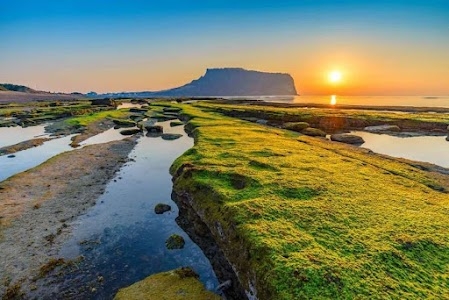
Jeju Island – South Korea's Volcanic Island Paradise
What is this place?
Volcanic Island – Jeju is South Korea's largest island, formed by volcanic eruptions millions of years ago. I know it for its unique geological features, including the dormant Mount Hallasan , extensive lava tubes, and dramatic coastal rock formations.
UNESCO Heritage – The island's exceptional natural beauty and significant geological value have earned it UNESCO World Heritage status, recognizing its global importance.
Why people come here
Nature & Scenery – Visitors are drawn to Jeju for its stunning volcanic landscapes, pristine beaches, lush forests, and unique flora and fauna. It offers a refreshing blend of natural wonders and tranquil escapes from city life.
Outdoor Activities – It's a popular destination for those seeking outdoor adventures, including hiking, cycling, exploring waterfalls, and enjoying scenic coastal drives. The island also boasts a distinct local culture and culinary scene.
What to expect
Diverse Landscapes – I find Jeju to be a place of incredible natural diversity, ranging from the high peaks of Hallasan to black sand beaches and emerald waters. The atmosphere is generally relaxed, offering a refreshing contrast to mainland cities.
Crowd Levels – Expect moderate to high crowd levels, especially during peak seasons and at popular attractions like Seongsan Ilchulbong or sections of the Olle Trails . However, it is still possible to find quieter spots for solitude.
What to do here
Hiking & Trekking – Explore the various trails on Mount Hallasan or walk sections of the scenic Jeju Olle Trails along the coast.
Sightseeing – Visit lava tubes like Manjanggul Cave , witness the sunrise at Seongsan Ilchulbong (Sunrise Peak), and discover various waterfalls and beaches.
Cultural Experiences – Immerse yourself in the unique local culture, including learning about the Haenyeo (female divers) and exploring traditional markets.
Best time to go
Spring & Autumn – I find the shoulder seasons of **spring** (April-May) and **autumn** (September-October) generally offer the most pleasant weather for exploring Jeju . These months typically bring mild temperatures, clear skies, and beautiful scenery.
Summer & Winter – **Summer** (June-August) is popular for beaches but can be hot and humid, while **winter** (November-March) brings colder weather, with occasional snow on Hallasan .
Practical info
Transportation – Renting a car is often recommended for exploring the island independently and efficiently, though public buses are available. Taxis and tour buses also operate across the island.
Duration – To experience a good portion of Jeju and its diverse attractions, I'd suggest planning for at least 3-5 days.
Safety – The island is generally safe, but always be mindful of weather conditions, especially when hiking or near coastal areas.
Good to know
Unique Culture – Jeju has its own distinct dialect, cuisine, and traditions that set it apart from mainland Korea. Keep an eye out for the iconic "Dol Hareubang" (stone grandfathers) statues.
Windy Island – It's often referred to as the "Island of Wind, Stones, and Women" due to its breezy climate, abundant volcanic rock formations, and the historical role of the Haenyeo.