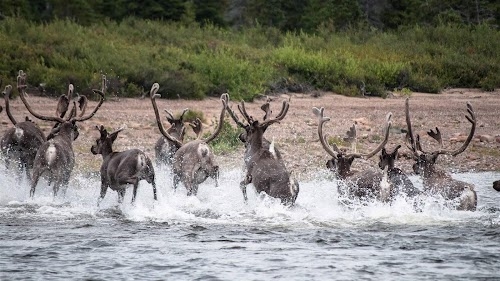
Wilderness Reserve – This is a vast and remote wilderness area located in northern Manitoba, Canada, established to protect its significant natural and cultural resources. It's a place of immense ecological importance, particularly for its caribou herds.
Why people come here
Nature Immersion – People typically visit Caribou River Park Reserve for its untouched natural beauty and the opportunity to experience a true wilderness environment. It's a destination for those seeking solitude and a deep connection with nature.
What to expect
Remote Wilderness – Here, you can expect an extremely remote and wild landscape. This is not a developed park with amenities; it's a place where nature reigns supreme. Visitors should be prepared for challenging conditions and self-sufficiency.
Best time to go
Summer/Early Fall – The best time to visit is generally during the summer months (July and August) or early fall (September) when the weather is most favorable for outdoor activities and insect levels might be lower. Winter access is extremely difficult and only suitable for highly experienced individuals.
What to do here
Wildlife Viewing & Exploration – The primary activities here revolve around experiencing the pristine wilderness. This includes wildlife viewing, especially for caribou, moose, and various bird species. Canoeing or kayaking on the Caribou River is a popular way to explore, as is wilderness hiking and photography. It's an ideal spot for those interested in remote backcountry camping.
Safety and preparedness
Self-Sufficiency & Awareness – Safety here is paramount and requires extensive preparation. I recommend being self-sufficient, carrying all necessary supplies, and being proficient in wilderness survival skills. Be aware of wildlife encounters, especially with bears, and know how to react. The terrain can be challenging, and weather conditions can change rapidly. Always inform someone of your travel plans.
Accessibility and effort level
Challenging & Remote – Accessing Caribou River Park Reserve is challenging and requires significant effort. There are no roads leading directly into the park. Access is typically by float plane or through extended canoe trips. The effort level is high, suitable only for experienced wilderness travelers who are comfortable with rugged terrain and extended periods without external support.
Good to know
Undeveloped & Protected – This park reserve is largely undeveloped, meaning there are very few, if any, marked trails or facilities. Its primary purpose is conservation, so visitors are expected to practice leave-no-trace principles to protect its pristine environment. It's a truly wild experience for those seeking an unadulterated connection with nature.