
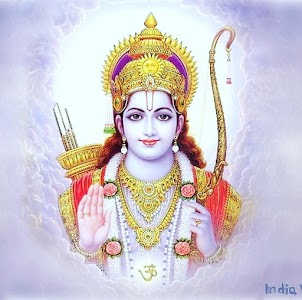



Maa Durga Mandir, Sandpur
What is this place?
Hindu Temple – This is a Hindu temple dedicated to Maa Durga, a prominent deity in the Hindu pantheon, revered as the warrior goddess who combats evil forces. It serves as a sacred space for devotion and worship for the local community and visitors.Why people come here
Worship & Blessings – People primarily visit to offer prayers, seek blessings from Goddess Durga, and participate in religious rituals. It's a place for spiritual solace, expressing devotion, and observing traditional Hindu practices.What to expect
Devotional Atmosphere – I expect a serene and devotional atmosphere, often accompanied by the sounds of prayers, chants, and devotional music. Crowds can vary, being more significant during festivals or auspicious days.Spiritual or cultural significance
Divine Mother – Maa Durga is a powerful manifestation of Shakti, the divine feminine energy. This temple holds significance as a place to honor her strength, protection, and motherhood, which are central to Hindu beliefs.Best time to go
Morning & Evening – The temple is generally most active during morning and evening prayer times (Aarti). Major Hindu festivals, especially Navaratri, see a significant increase in devotees.Practical info
Respectful Visit – Visitors are typically expected to remove their footwear before entering the main sanctum. Photography rules may vary, so it's always good to observe local customs or look for signage.Visitor etiquette
Modest Attire – I recommend dressing modestly and respectfully, covering shoulders and knees, as is customary in Hindu temples. Maintaining silence or speaking softly helps preserve the peaceful environment for all devotees.Good to know
Offerings – Devotees often bring offerings such as flowers, fruits, sweets, and incense to present to the deity. There might be dedicated areas for these offerings, and sometimes small shops nearby sell puja items.