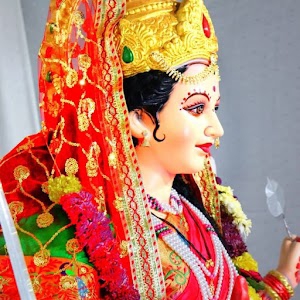
Hindu Temple – I can tell you that this is a sacred space, typically a Hindu temple, dedicated to Lord Ganesha, the revered elephant-headed deity. Across India, you'll find many such temples, each a focal point for devotion and spiritual practices.
Spiritual Significance
Remover of Obstacles – For those who visit, Lord Ganesha is widely worshipped as the remover of obstacles (Vighnaharta), the god of wisdom, prosperity, and good fortune, and the patron of arts and sciences. A visit here is believed to bring blessings for new beginnings and ventures.
Why people come here
Prayers & Blessings – People primarily visit to offer prayers, seek blessings, and perform various religious rituals (pujas). This is also a significant hub for celebrating festivals, especially Ganesh Chaturthi, which sees large gatherings of devotees.
What to expect
Devotional Atmosphere – When you visit, you can expect a deeply devotional atmosphere, often filled with the fragrance of incense, sounds of bells, and chanting. During peak times or festivals, it can be very crowded, with queues forming to get a glimpse of the deity. At other times, it can be a place for quiet contemplation.
Best time to go
Morning & Evening – I find that the ideal times to visit are generally during the early mornings or evenings when daily prayers (aartis) are performed. For a more festive experience, consider visiting during Ganesh Chaturthi, though expect significant crowds. For a quieter visit, choose non-festival weekdays.
Visitor Etiquette
Modest Dress – To show respect, I recommend dressing modestly, covering your shoulders and knees. It is customary to remove your footwear before entering the main temple premises. Maintaining a respectful silence or speaking softly is also appreciated.
Good to know
Offerings & Donations – Many visitors bring offerings such as flowers, coconuts, or sweets (modaks) for the deity. You may also find counters for making donations or purchasing prasad (blessed food).