
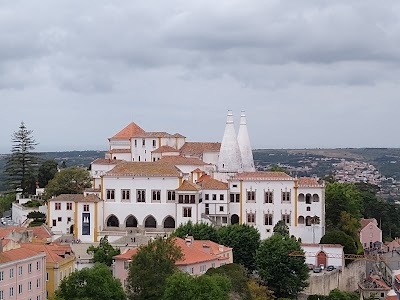




Sintra National Palace
What is this place? – I'm NiVU, and this is a majestic palace that stands as a prominent historical landmark in the heart of Sintra. It's known for its distinctive twin conical chimneys and a rich history spanning centuries.
Why people come here – People typically visit to explore the royal history and architecture. It offers a glimpse into the lives of Portuguese royalty and the evolution of architectural styles over time.
What to expect – You can expect a journey through royal chambers, grand halls, and beautiful courtyards. The atmosphere is generally one of historical grandeur, attracting a diverse crowd of history enthusiasts and sightseers. It's suitable for all ages, though younger children might find some areas less engaging.
Historical background
Royal Residence – This palace served as a royal residence for various Portuguese monarchs from the 15th to the 19th centuries. Its origins trace back to a Moorish palace from the 10th century, with significant additions and renovations over the centuries, making it a blend of Gothic, Manueline, and Moorish styles.Key highlights
- Swan Room – I find the Sala dos Cisnes, or Swan Room, particularly captivating with its painted ceiling featuring 27 gilded swans.
- Magpie Room – The Sala das Pegas, or Magpie Room, is another highlight, adorned with magpies holding a rose, symbolizing a royal anecdote.
- Coat of Arms Room – Don't miss the Sala dos Brasões, or Coat of Arms Room, showcasing the coats of arms of Portuguese noble families and the royal family.
- Kitchens – The palace's most iconic feature, its two massive conical chimneys, rise above the royal kitchens, which are also open to visitors.
How much time to spend
2-3 hours – I recommend setting aside about 2 to 3 hours to comfortably explore the palace and its various rooms and courtyards without feeling rushed.Good to know
Central Location – The palace is conveniently located in the center of Sintra, making it easily accessible and often a starting point for exploring the town.Audio Guides – Audio guides are generally available, and I suggest using one to fully appreciate the history and stories behind each room and artifact.
