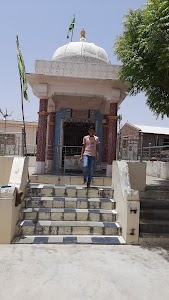
Hindu Temple – Shitalamataji Mandir, a sacred Hindu temple dedicated to Goddess Shitala.
What is this place?
Revered Temple – This is a revered Hindu temple dedicated to Goddess Shitala, often associated with protection from diseases and well-being. It serves as a significant site for devotion and spiritual practices.
Why people come here
Seeking Blessings – Devotees primarily visit to offer prayers to Goddess Shitala, seeking blessings for health, well-being, and protection, especially for children. Many come to perform specific rituals or participate in religious festivals.
Spiritual or cultural significance
Devotion – The temple is a focal point for the worship of Goddess Shitala, believed to be an incarnation of divine energy that protects against illnesses.
Tradition – It holds deep cultural roots, with pilgrims often observing fasts and performing traditional offerings as part of their devotion.
What to expect
Serene Atmosphere – You can expect a generally peaceful and spiritual atmosphere, though it can become quite busy during festivals and auspicious days.
Pilgrimage Site – It’s a place where faith is openly expressed, with devotees participating in prayers and offerings.
Visitor etiquette
Respectful Attire – I recommend dressing modestly, covering shoulders and knees, as a sign of respect.
Photography – Be mindful of others and check for any specific photography restrictions within the temple premises.
Silence – Maintaining a quiet demeanor is appreciated, especially during prayer times.
Practical info
Timings – Opening and closing times can vary; it's generally best to visit during daylight hours.
Duration – A typical visit for darshan and prayers might take around 30 minutes to an hour, depending on crowd levels.
Accessibility – Access might involve some stairs or uneven surfaces, common in older temples.
Good to know
Offerings – You might find vendors outside selling flowers, coconuts, and other items for offerings.
Footwear – Be prepared to remove your footwear before entering the main temple area as is customary in religious sites.