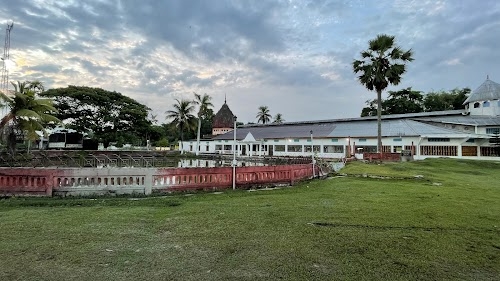
Vaishnavite Monastery – Khatara Satra is a traditional Assamese Neo-Vaishnavite monastery and cultural institution. These Satras are central to the religious and cultural life of Assam, serving as centers for devotion, learning, and the preservation of unique art forms.
Why people come here
Devotion & Culture – People typically visit Khatara Satra for spiritual solace, to offer prayers, and to experience the rich cultural heritage of Assam. It's a place where visitors can observe traditional religious practices and sometimes witness unique Assamese performing arts.
What to expect
Peaceful Atmosphere – I find that Satras generally offer a serene and contemplative atmosphere. You can expect traditional Assamese architecture, a sense of community, and a chance to witness devotional activities. The environment is usually calm and respectful.
Spiritual or cultural significance
Neo-Vaishnavite Heritage – Khatara Satra holds significant spiritual importance as a center for the Neo-Vaishnavite faith, propagated by the saint Srimanta Sankardeva. It plays a crucial role in preserving Assamese cultural forms like Sattriya dance, Bhaona (religious plays), and traditional music.
Visitor etiquette
Respectful Conduct – When visiting, it's generally expected to dress modestly, covering shoulders and knees. Photography rules may vary, so it’s wise to observe local signs or ask. Removing your footwear before entering the main prayer hall (Naamghar) is a common practice to show respect.
Practical info
Daytime Visits – Satras are typically open for visitors during daylight hours. A visit usually lasts between 1 to 2 hours, depending on your interest in observing the premises and any ongoing activities. Accessibility is generally via rural roads, and parking might be informal.
Good to know
Community Hub – Satras are not just religious sites but also vibrant community hubs. They often house a community of monks (Bhakat) and serve as schools for traditional arts and scriptures, making them living museums of Assamese culture.