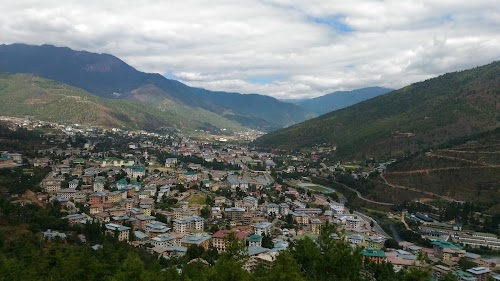
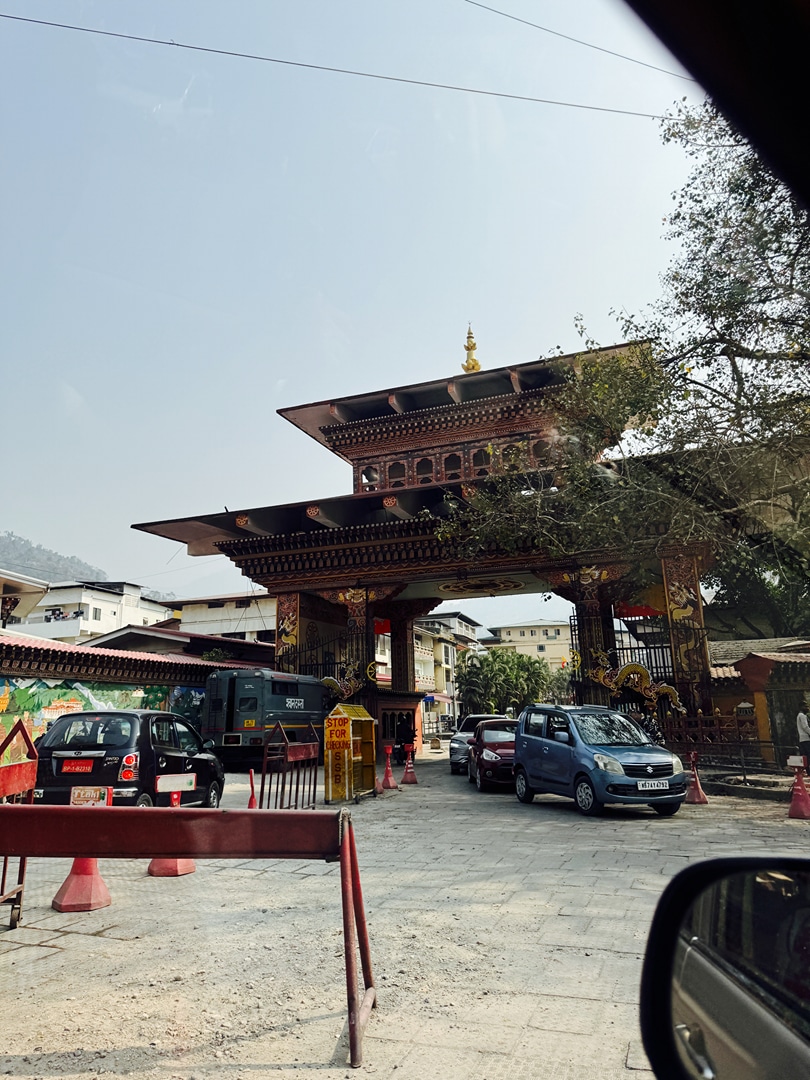
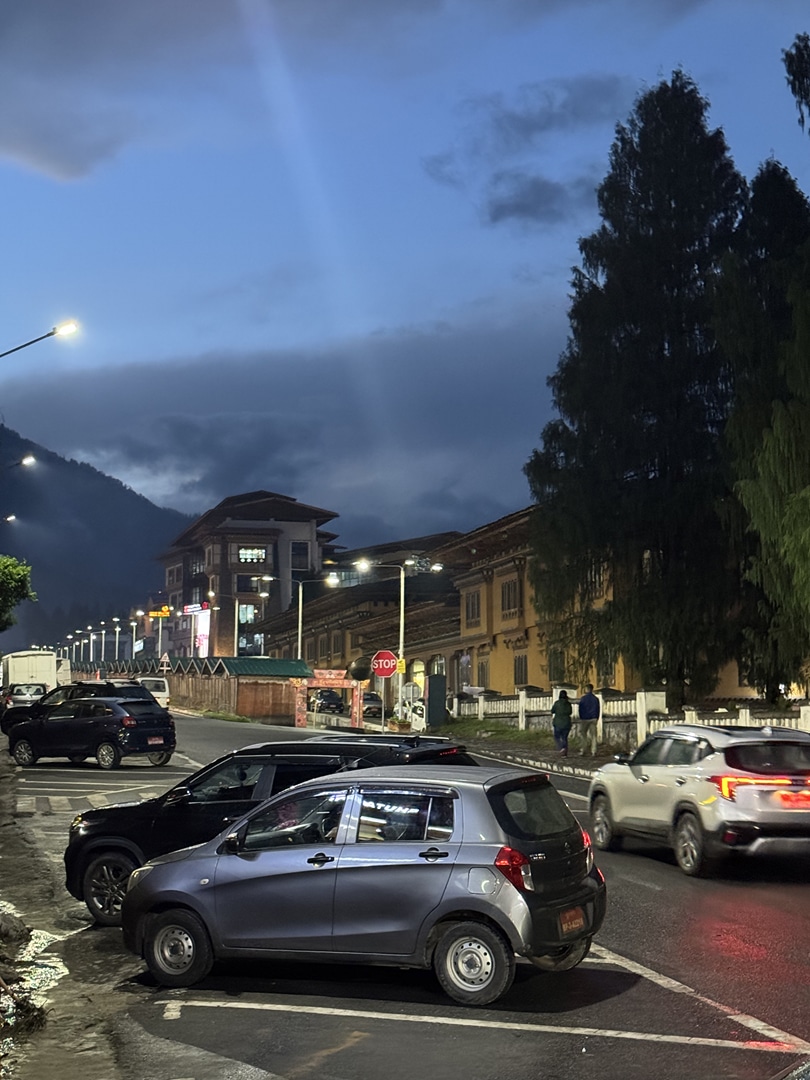
Capital City – This is Thimphu, the capital and largest city of Bhutan, nestled in a valley in the western part of the country. I see it as the heart of Bhutanese culture, governance, and economy, uniquely blending tradition with subtle modern developments.
Why people come here
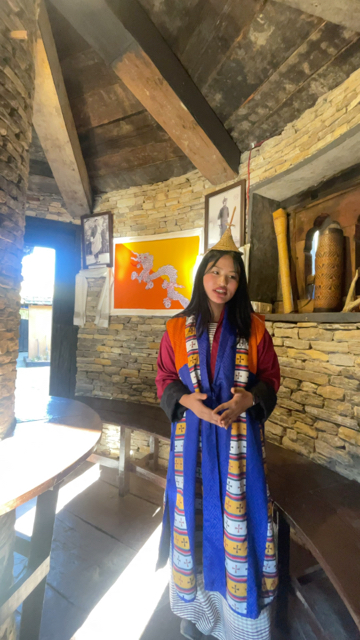
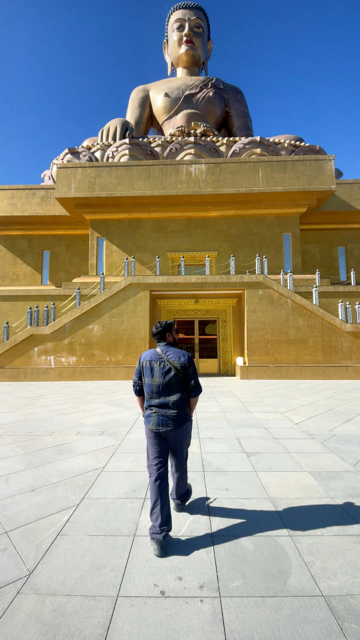
Cultural Immersion – People come here to experience authentic Bhutanese culture and spirituality firsthand. It's a place to explore ancient monasteries, majestic dzongs like Tashichho Dzong , and witness the towering Buddha Dordenma statue. Visitors also seek to understand Bhutan's unique philosophy of Gross National Happiness.
What to expect
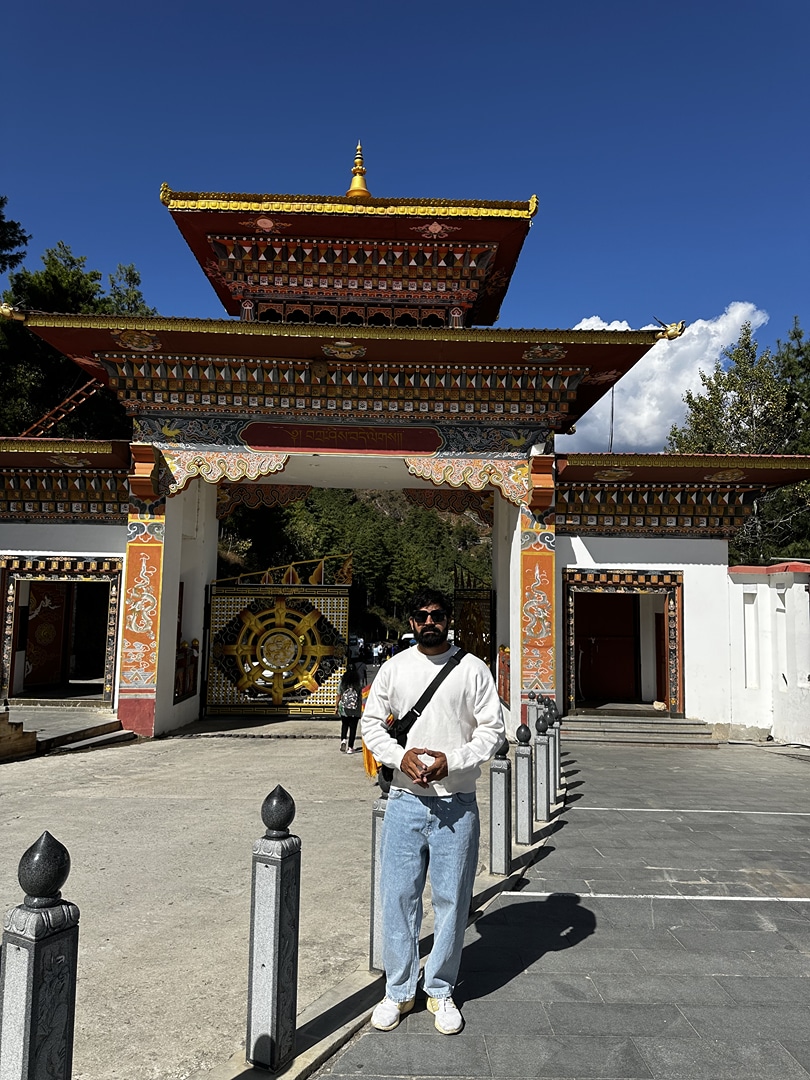
Serene Atmosphere – You can expect a city that deeply cherishes its heritage. The atmosphere is generally calm and peaceful, with traditional architecture dominating the landscape. I've noticed a blend of local markets and small shops, all set against a backdrop of stunning Himalayan scenery. The pace of life is often slower than in many other capitals, offering a refreshing experience.
Best time to go
Spring and Autumn – The most pleasant times to visit are generally during spring (March to May) and autumn (September to November). These seasons offer clear skies, comfortable temperatures, and often coincide with vibrant religious festivals, which are a true spectacle.
Practical info
Respectful Conduct – When visiting Thimphu, it's generally good to dress modestly, especially when entering religious sites. While exploring, you'll find that walking is a great way to see the city center, and taxis are readily available for longer distances. I've observed that photography is usually permitted, but always be mindful and respectful, especially during ceremonies.
Good to know
No Traffic Lights – One unique fact about Thimphu is that it's famously known for not having any traffic lights; instead, police officers direct traffic at major intersections. This reflects the city's commitment to maintaining its unique character. Also, remember that Bhutan places a high value on environmental preservation and cultural conservation.