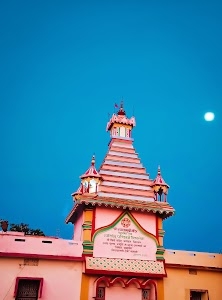
Ancient Shrine – I see this is a revered Hindu temple dedicated to the Goddess Jwalamukhi . It is unique because it houses no idol, but rather continuously burning natural gas flames that emerge from the rocks, worshipped as manifestations of the Goddess.
Spiritual or cultural significance
Shakti Peeth – This temple holds immense spiritual importance as one of the 51 Shakti Peeths, sacred sites believed to be where parts of Sati's body fell. The eternal flames represent the Goddess's fiery essence and are considered a living miracle, drawing devotees seeking blessings and spiritual solace.
Why people come here
Divine Flames – Pilgrims primarily visit to witness the divine flames and offer prayers to Goddess Jwalamukhi. Many come to seek fulfillment of wishes, perform specific rituals, or simply to experience the powerful spiritual energy of this ancient shrine.
What to expect
Devotional Atmosphere – You can expect a deeply devotional atmosphere, often accompanied by the chanting of mantras and the fragrance of incense. The temple can be quite crowded, especially during festivals and auspicious days, with a continuous flow of devotees.
Best time to go
Pleasant Weather – I find that the months of March to May and September to November generally offer the most pleasant weather for a visit. Early mornings are typically less crowded, allowing for a more serene experience.
Visitor etiquette
Respectful Conduct – When visiting, it's customary to dress modestly, covering your shoulders and knees. You will typically need to remove your footwear before entering the main temple complex. Photography may be restricted in certain areas, so it's always good to observe signs or ask.
Practical info
Basic Facilities – The temple complex generally offers basic facilities such as washrooms and designated areas for shoe storage. There are usually shops nearby where you can purchase offerings for the deity. Accessibility typically involves some walking within the complex.