
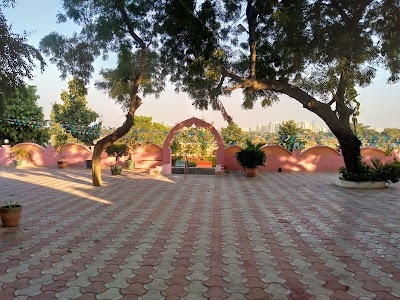



A local temple in Gurugram, serving as a community spiritual hub.
Spiritual Significance – The temple is dedicated to Baba Jhopdi Wala, a revered saint or deity, and is a place where devotees come to offer prayers, seek blessings, and find spiritual solace. It holds cultural importance as a gathering point for religious observance.
Community Gatherings – The temple also serves as a hub for local religious festivals and community events, bringing residents together for shared spiritual experiences.
Devotional Crowd – The temple typically attracts a steady flow of devotees, especially during morning and evening aarti (prayer) times, and on auspicious days. It's a place of active worship.
Weekdays – For a quieter visit, I suggest considering weekdays, as weekends and festive occasions can draw larger crowds.
Silence and Footwear – It is customary to maintain a respectful silence within the temple premises and to remove footwear before entering the main shrine. Photography rules may vary, so it's best to observe local signs or ask.
Accessibility – Access to the temple is typically straightforward, though specific facilities like ramps might vary. Parking is often available nearby, but it can be limited during peak hours.
Offerings – Devotees often bring offerings such as flowers, sweets, and incense, which can be purchased from nearby vendors.
What is this place?
Community Temple – This is a revered local temple located in Dhanawas, Sector H7, Gurugram. It serves as a significant spiritual center for the surrounding community.Spiritual Significance – The temple is dedicated to Baba Jhopdi Wala, a revered saint or deity, and is a place where devotees come to offer prayers, seek blessings, and find spiritual solace. It holds cultural importance as a gathering point for religious observance.
Why people come here
Worship and Blessings – People primarily visit to offer prayers, perform rituals, and seek blessings for well-being, prosperity, and peace. It's a place for devotion and spiritual connection.Community Gatherings – The temple also serves as a hub for local religious festivals and community events, bringing residents together for shared spiritual experiences.
What to expect
Peaceful Atmosphere – I find that visitors can generally expect a serene and peaceful environment, conducive to prayer and meditation.Devotional Crowd – The temple typically attracts a steady flow of devotees, especially during morning and evening aarti (prayer) times, and on auspicious days. It's a place of active worship.
Best time to go
Morning or Evening – The atmosphere is often most vibrant and spiritually charged during the morning and evening prayer times (aarti).Weekdays – For a quieter visit, I suggest considering weekdays, as weekends and festive occasions can draw larger crowds.
Visitor Etiquette
Respectful Attire – I recommend dressing modestly, covering shoulders and knees, as a sign of respect for the sacred space.Silence and Footwear – It is customary to maintain a respectful silence within the temple premises and to remove footwear before entering the main shrine. Photography rules may vary, so it's best to observe local signs or ask.
Practical Info
General Timings – Temples generally open early in the morning and close late in the evening, with a possible midday break. Specific timings can vary, so checking locally upon arrival is advisable.Accessibility – Access to the temple is typically straightforward, though specific facilities like ramps might vary. Parking is often available nearby, but it can be limited during peak hours.
Good to know
Local Landmark – This temple is a well-known local landmark in Dhanawas, often serving as a point of reference for residents.Offerings – Devotees often bring offerings such as flowers, sweets, and incense, which can be purchased from nearby vendors.
