



Mukundra Tiger Reserve, Kolipura, Rajasthan
What is this place?
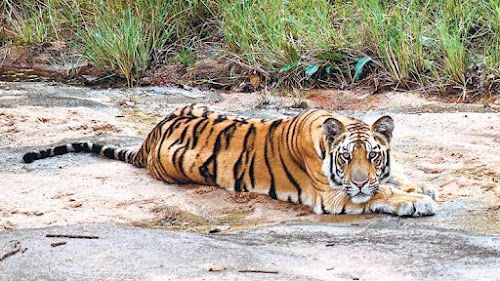
Wildlife Sanctuary – This is Mukundra Tiger Reserve, a significant wildlife sanctuary located in the Hadoti region of Rajasthan. It's part of the larger Mukundra Hills National Park and was declared a tiger reserve in 2013, aiming to provide a protected habitat for tigers and other wildlife. Diverse Ecosystem – The reserve encompasses a mix of dense forests, ravines, and hills, creating a diverse ecosystem that supports a variety of flora and fauna. It's a place where nature thrives, offering a glimpse into India's wild heart.Why people come here
Wildlife Encounters – Visitors typically come here for the opportunity to experience wildlife in its natural habitat, particularly to spot the majestic tigers. It's a chance to witness India's conservation efforts firsthand and connect with nature. Nature Exploration – Beyond tigers, people are drawn to the reserve for its rich biodiversity, including leopards, sloth bears, deer species, and a wide array of birds. It offers a more rugged and less commercialized safari experience compared to some other popular reserves.What to expect
Untamed Wilderness – I find that you can expect a truly wild and relatively serene environment. The terrain is often rugged, and the forests are dense, offering a genuine sense of adventure and exploration. Safari Experience – Safaris are the primary way to explore the reserve, typically conducted in open jeeps. While tiger sightings are never guaranteed, the thrill of searching for them amidst the wilderness is an experience in itself, complemented by sightings of other animals and birds.What to do here
Jeep Safaris – The main activity here is undertaking jeep safaris through designated routes within the reserve. These guided tours offer the best chance for wildlife spotting and experiencing the diverse landscapes. Bird Watching – For bird enthusiasts, this reserve is a haven. Keep an eye out for a variety of resident and migratory birds, making it an excellent spot for bird watching and nature photography.Best time to go
Cooler Months – I suggest that the winter months, typically from October to March, are generally the most pleasant time to visit. The weather is cooler and more comfortable for safaris, and visibility for wildlife spotting is often better as animals tend to come out more. Avoid Monsoon – The reserve generally remains closed during the monsoon season (July to September) due to heavy rainfall making tracks impassable and for animal breeding periods.Practical info
Safari Bookings – Safari permits and bookings are usually required in advance, and it's wise to arrange these through authorized channels. I recommend checking the official park website or local tour operators for the most current information.Safety and preparedness
Follow Guidelines – For your safety and the well-being of the wildlife, it's crucial to strictly follow the instructions of your safari guide and forest officials. Maintain a respectful distance from animals and avoid making loud noises. Essentials – I advise carrying essentials like water, snacks, sun protection (hat, sunscreen), insect repellent, and binoculars. Wear comfortable, earthy-toned clothing that blends with the environment.Accessibility and effort level
Vehicle Access – The reserve is best accessed by private vehicle or taxi from nearby cities like Kota . Once inside, safaris involve driving on unpaved forest tracks, which can be bumpy but are generally manageable for most visitors. Moderate Effort – The overall effort level is generally moderate, primarily involving sitting in a safari vehicle for a few hours. There isn't extensive walking or strenuous activity required during the safari itself.Good to know
Conservation Focus – This reserve is a testament to ongoing conservation efforts to protect India's tiger population. Your visit contributes to supporting these vital initiatives. Photography Opportunities – The rugged landscape and diverse wildlife offer fantastic photography opportunities. Be sure to bring your camera to capture the beauty of this unique ecosystem.