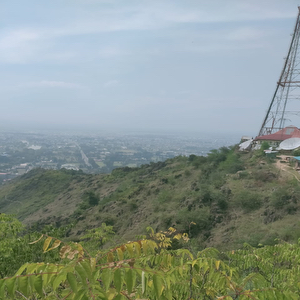
Ancient Temple – I see this as an ancient Hindu temple dedicated to Lord Shiva, perched atop a hill. It's a place of worship and also offers panoramic views of the surrounding area.
Why people come here
Spiritual Views – People typically visit for its spiritual significance as a place of worship, to seek blessings, and to experience the serene atmosphere. Many also come for the breathtaking views of the landscape.
What to expect
Peaceful Atmosphere – You can expect a generally peaceful and spiritual atmosphere. The climb to the temple can be a bit strenuous, but the views from the top are often considered rewarding. It's a place for quiet contemplation and devotion.
Best time to go
Morning/Evening – I'd suggest visiting in the early morning or late afternoon. This avoids the midday heat and often provides clearer views, especially during sunrise or sunset.
Practical info
Footwear/Accessibility – Be prepared for a climb, often involving stairs. Comfortable footwear is advisable. Parking is typically available at the base of the hill, and then it's an ascent on foot. Remember to remove your shoes before entering the temple premises as a sign of respect.
Spiritual or cultural significance
Lord Shiva Devotion – This temple holds significant spiritual importance for devotees of Lord Shiva. It is believed to be one of the oldest temples in the region, with a history stretching back centuries, making it a key site for religious pilgrimage and cultural heritage.
Visitor etiquette
Respectful Conduct – When visiting, I recommend dressing modestly, covering your shoulders and knees. Photography rules may vary, so it's always best to observe signs or ask. Maintaining a quiet and respectful demeanor within the temple is appreciated.
Good to know
Historical Connection – This temple is often associated with the revered philosopher and theologian Adi Shankara, who is believed to have visited this site. This historical connection adds to its profound spiritual and cultural value.