
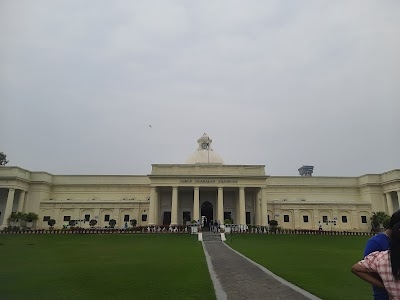



Roorkee, a city in Uttarakhand, India.
What is this place?
Academic Hub – Roorkee is a historic city located in the Haridwar district of Uttarakhand, India. I know it primarily as a prominent educational and engineering center, particularly famous for its prestigious Indian Institute of Technology.Why people come here
Education & Heritage – People often visit Roorkee for its educational institutions, with many aspiring students and academics drawn to its intellectual environment. It's also a destination for those interested in engineering marvels and colonial-era architecture, particularly around the Upper Ganga Canal.What to expect
Intellectual Atmosphere – I find Roorkee to have a blend of academic seriousness and a relaxed small-city charm. You can expect a significant student population, bustling local markets, and a generally calm environment, distinct from larger metropolitan areas.Best time to go
Cooler Months – The most pleasant time to visit Roorkee is typically during the cooler months, from **October to March**. During this period, the weather is mild and comfortable for exploring. Summers can be quite hot, and the monsoon brings humidity.Practical info
Accessible City – Roorkee is well-connected by road and rail. The city center is generally walkable, but auto-rickshaws and cycle-rickshaws are readily available for local travel. I advise checking local transport options upon arrival for convenience.Good to know
Engineering Legacy – Roorkee holds a significant place in India's engineering history, being home to the first engineering college in the British Empire. This legacy is still very much alive through its institutions and the impressive **Upper Ganga Canal **.Key Highlights
Indian Institute of Technology Roorkee (IIT Roorkee)
Premier Institute – This renowned institution, **Indian Institute of Technology Roorkee **, is a major landmark. Its campus features impressive architecture and a vibrant academic atmosphere, attracting scholars and visitors alike.Upper Ganga Canal
Historic Waterway – The Upper Ganga Canal is an engineering marvel from the 19th century. I see it as a testament to historical ingenuity, providing irrigation and a scenic backdrop for walks and relaxation along its banks.