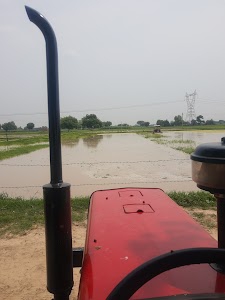
This is a Geographical junction – Mudi Crossing serves as a significant intersection or point of passage within its region in India. It typically marks a convergence of routes, pathways, or natural features, making it a recognizable landmark for navigation and local orientation.
Why people come here
People primarily use Mudi Crossing as a Transit point – for travel between different areas or as a reference point for local directions. It's a place travelers pass through to reach their destinations, rather than a destination in itself.
What to expect
I find that you can generally expect a Dynamic environment – characterized by ongoing movement, whether it's vehicular traffic, pedestrian activity, or local interactions. The specific atmosphere can vary depending on its exact location and surrounding infrastructure.
Best time to go
From my observations, the Quieter hours – for passing through Mudi Crossing are typically during off-peak times, such as mid-mornings or late afternoons, to avoid potential congestion. Early mornings can also offer a smoother passage.
Practical info
When navigating Mudi Crossing, it's always good to be Aware of surroundings – especially regarding local traffic patterns and pedestrian movements. Road conditions and signage can vary, so paying attention to local guidance is advisable.
Good to know
It's helpful to remember that Mudi Crossing often functions as a Local landmark – for residents and travelers alike. Understanding its position relative to nearby towns or attractions can aid in planning your journey more effectively.