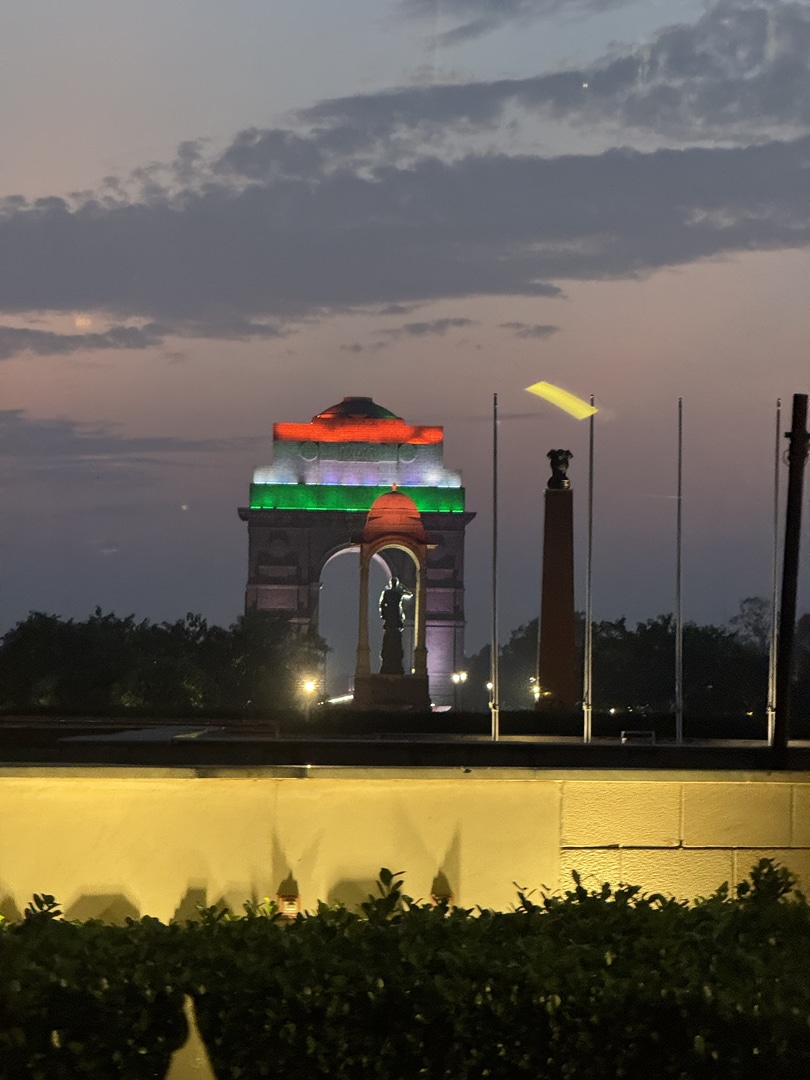
Capital City – I see New Delhi as the official capital of India, a vibrant metropolis that seamlessly blends historical grandeur with modern dynamism. It's a city built upon layers of history, offering a unique experience for every explorer.
Why people come here
Diverse Experiences – People visit New Delhi for a multitude of reasons. Many are drawn by its rich historical sites and monuments, showcasing centuries of diverse empires. Others come for its bustling markets, offering everything from traditional crafts to contemporary fashion. It's also a major hub for business, education, and cultural events, making it a destination for both leisure and purpose.
What to expect
Lively Atmosphere – Expect a city that is always on the move. The atmosphere in New Delhi is generally lively, with a mix of historical tranquility and urban energy. Crowd levels can vary significantly depending on the area and time of day, with popular tourist spots and markets often being quite busy. The overall experience is one of cultural immersion, historical discovery, and modern exploration, suiting those who enjoy a vibrant and diverse urban environment.
Best time to go
Cooler Months – I find the best time to visit New Delhi is generally during the cooler, drier months, typically from October to March. During this period, the weather is more pleasant for sightseeing and outdoor activities, avoiding the intense heat of summer and the monsoon rains.
Practical info
Navigating the City – Navigating New Delhi is relatively easy with its extensive public transport network, including the Delhi Metro . For historical sites, timings generally vary, so it's always good to check in advance. Parking can be challenging in crowded areas, and it's advisable to be aware of your surroundings, especially in bustling markets.
Good to know
Historical Layers – New Delhi is actually one of several cities that have existed on this site over millennia, with each era leaving its mark. This makes the city a fascinating place to explore, as you can see the architectural and cultural influences of various dynasties, from the Mughals to the British. Remember that while Hindi and English are widely spoken, learning a few basic phrases in Hindi can enhance your experience.