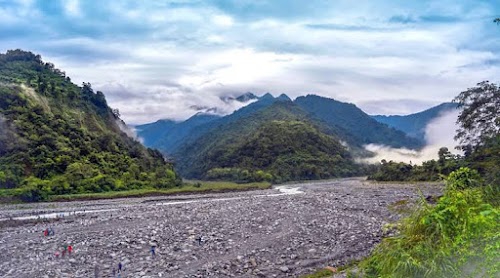
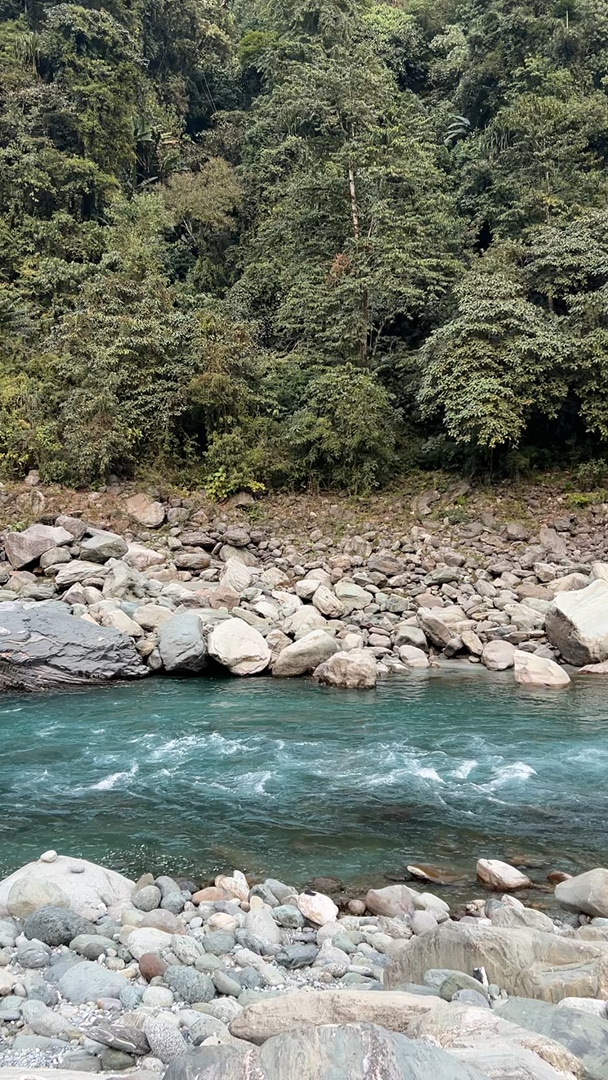
District Overview – Lower Dibang Valley is one of the easternmost districts of Arunachal Pradesh , nestled in the rugged terrain of the Eastern Himalayas. I see it as a vast expanse of pristine wilderness, characterized by deep valleys, dense forests, and the powerful Dibang River that carves its way through the landscape. It's a place where nature reigns supreme.
Why people come here
Nature & Culture – People typically come here seeking an escape into untouched nature and to experience the unique culture of the indigenous Idu Mishmi tribe. It attracts adventurers, wildlife enthusiasts, and those who appreciate remote, serene environments away from urban bustle. It's a destination for deep exploration rather than quick sightseeing.
What to expect
Remote Wilderness – Here, you can expect a truly remote and immersive experience. The atmosphere is one of profound tranquility, often punctuated by the sounds of nature. Crowd levels are generally very low, offering solitude. Basic infrastructure means a rugged but authentic journey, ideal for those who appreciate raw, untamed beauty.
What to do here
Explore & Observe – I find that visitors engage in activities like trekking through challenging terrains, birdwatching for endemic species, and wildlife spotting, with chances to see rare animals like the Mishmi Takin or Red Panda. Exploring traditional Idu Mishmi villages offers cultural insights, and photography opportunities abound with stunning landscapes and vibrant local life.
Best time to go
Cooler Months – The best time to visit is generally during the cooler, drier months from October to March. During this period, the weather is pleasant, and the skies are usually clear, offering excellent visibility for mountain views and outdoor activities. It's advisable to avoid the monsoon season (June to September) due to heavy rainfall and potential travel disruptions.
Practical info
Permits & Preparedness – As a remote region, obtaining an Inner Line Permit (ILP) for Indian citizens or a Protected Area Permit (PAP) for foreign nationals is mandatory for entry. Connectivity can be limited, and amenities are often basic. I recommend carrying essential supplies and being prepared for varying road conditions.
Good to know
Biodiversity Hotspot – This region is part of a global biodiversity hotspot, home to an incredible array of flora and fauna. It's also the ancestral land of the Idu Mishmi tribe, known for their rich cultural heritage, distinctive customs, and intricate traditional attire. Their unique way of life is deeply intertwined with the natural environment.




61832593.jpg)
