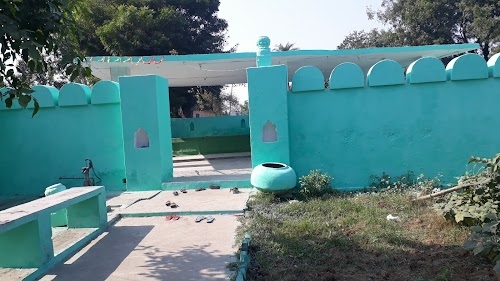
Sufi Shrine – This is a revered Sufi shrine dedicated to a saint, commonly known as Nogaza Peer. It is a place of spiritual significance located in Bhainsi, Uttar Pradesh, India.
Spiritual or cultural significance
Sufi Legacy – The shrine holds deep spiritual importance, particularly within the Sufi tradition. Devotees believe the saint intercedes on their behalf, and many visit to offer prayers and seek blessings for various wishes, including health, prosperity, and personal well-being. It often serves as a symbol of communal harmony, attracting visitors from diverse backgrounds.
Why people come here
Seeking Blessings – People primarily come here to offer their respects, pray, and seek the blessings of the saint. Many believe their wishes are granted after visiting the shrine, making it a destination for those seeking solace and spiritual intervention.
What to expect
Peaceful Devotion – You can expect a generally peaceful and devotional atmosphere. There will typically be a flow of devotees offering prayers and making offerings. The environment encourages quiet contemplation and respect.
Visitor etiquette
Respectful Conduct – When visiting, it's customary to dress modestly, covering your shoulders and knees. You will generally need to remove your shoes before entering the main shrine area. Maintaining a respectful silence and being mindful of ongoing prayers are also appreciated. Photography rules may vary, so it’s best to observe local signs or ask.
Practical info
General Accessibility – The shrine is generally accessible, though specific facilities like ramps might vary. It’s advisable to wear comfortable footwear as you may need to walk barefoot. Timings typically allow visits throughout daylight hours, but it's good to check locally for any specific prayer times or seasonal adjustments.
Good to know
Offerings Tradition – It is common for visitors to bring offerings such as flowers, incense, or 'chadar' (decorative cloth) to place at the tomb. Small shops around the shrine often sell these items. While not mandatory, it is a traditional way many devotees express their reverence.