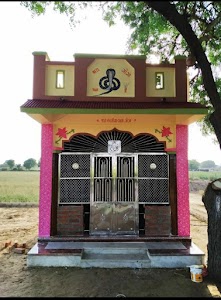
**What is this place?** – I’m here to tell you about Banaskantha, a district located in the northern part of Gujarat , India. It’s known for its diverse landscape, ranging from semi-arid plains to the foothills of the Aravalli Range . This region holds a significant place in the state’s agricultural and historical narrative.
**Why people come here** – People typically visit Banaskantha for its religious sites, agricultural insights, and natural beauty. It’s a destination for pilgrims, those interested in rural life and farming, and explorers looking for a blend of culture and nature.
**What to expect** – You can expect a generally calm and traditional atmosphere in Banaskantha. The crowd levels are usually moderate, increasing during religious festivals. It suits visitors who appreciate cultural immersion, spiritual journeys, and a glimpse into agrarian lifestyles.
**Best time to go** – The winter months, from October to March, are generally the most pleasant for visiting Banaskantha. The weather is cooler and more comfortable for exploration.
**Practical info** – When visiting, I recommend carrying drinking water and comfortable footwear, especially if you plan to explore religious sites or natural areas. Public transport is available, but hiring a private vehicle might offer more flexibility for sightseeing.
**Good to know** – Banaskantha is home to the Dantiwada Dam , an important irrigation project, and the district is a major producer of potatoes and groundnuts in Gujarat.
Spiritual or cultural significance
Pilgrimage and heritage – Banaskantha is renowned for its religious importance, particularly the revered Ambaji Temple , one of the 51 Shakti Peeths. This makes it a significant pilgrimage destination for devotees. The district also has a rich cultural heritage, reflected in its local traditions and festivals.
Visitor etiquette
Respectful conduct – When visiting religious sites, I advise dressing modestly and removing your footwear before entering the inner sanctum. Photography rules may vary, so it's always best to observe signs or ask local authorities. Maintaining a respectful demeanor is generally appreciated.
What to do here
Explore and discover – Here, you can visit temples, observe rural life, and enjoy local cuisine. Beyond the pilgrimage to Ambaji , you might explore the agricultural fields, interact with local communities, or simply soak in the peaceful surroundings. It's also an opportunity to try regional Gujarati dishes.