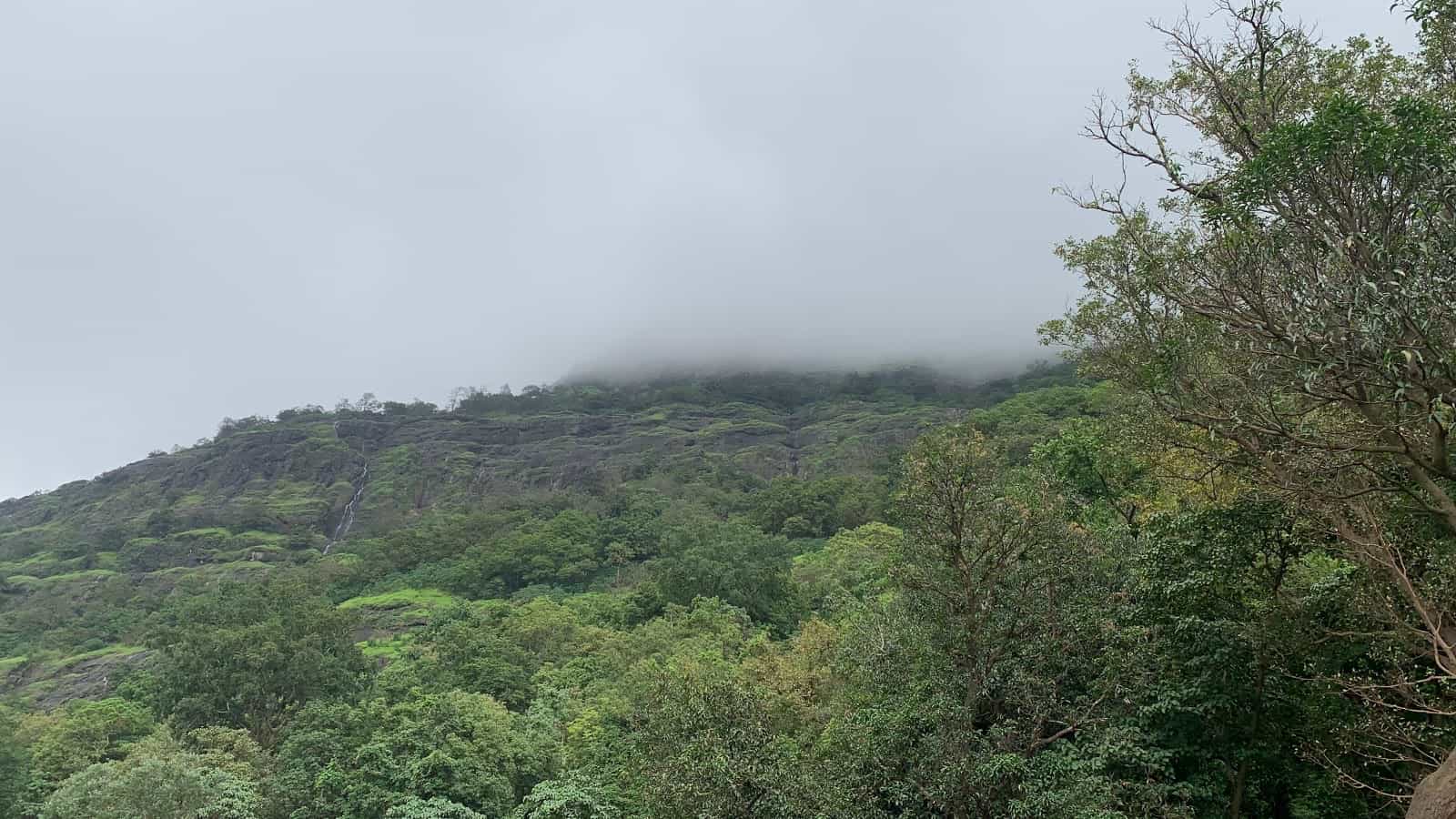
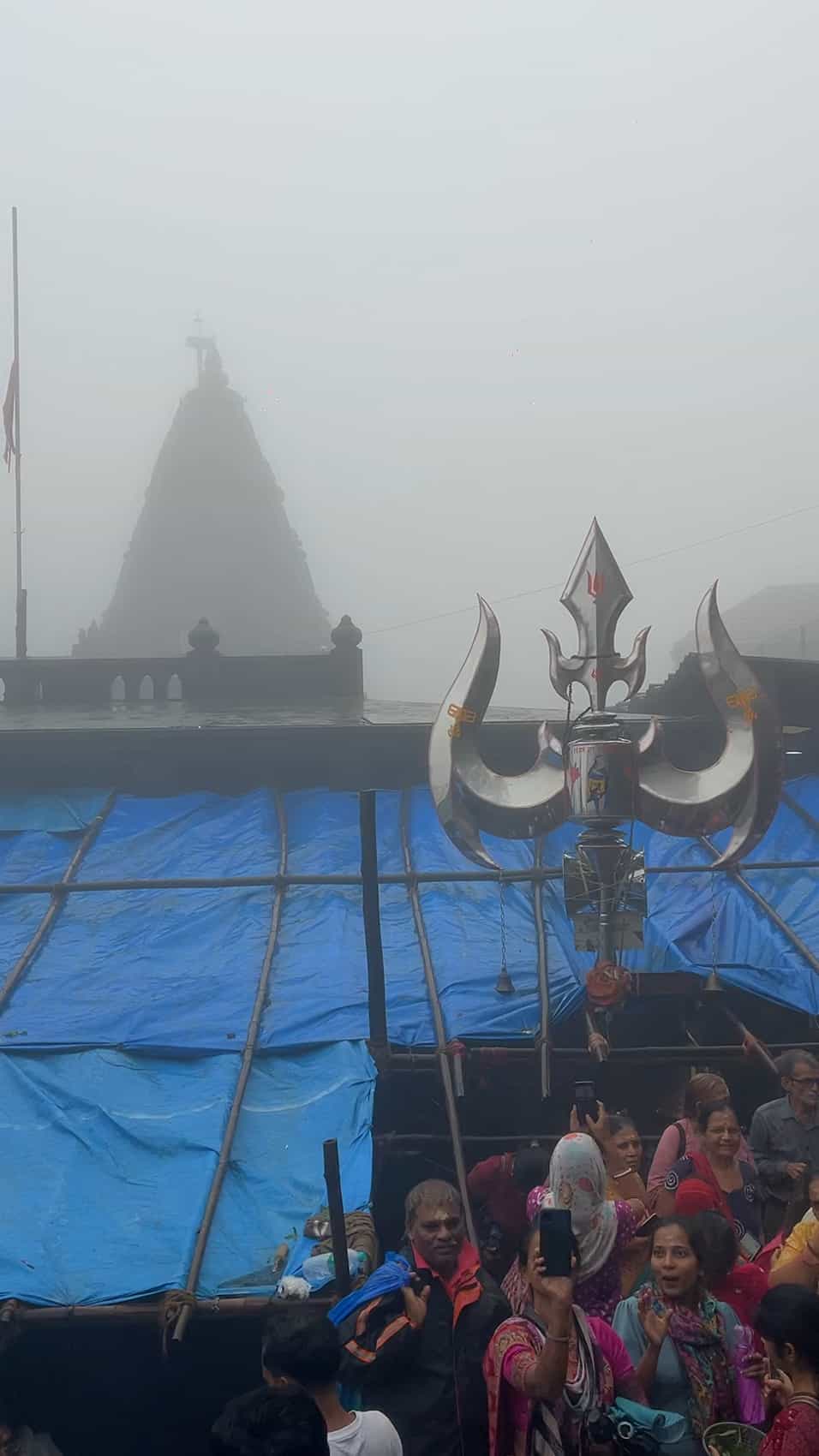
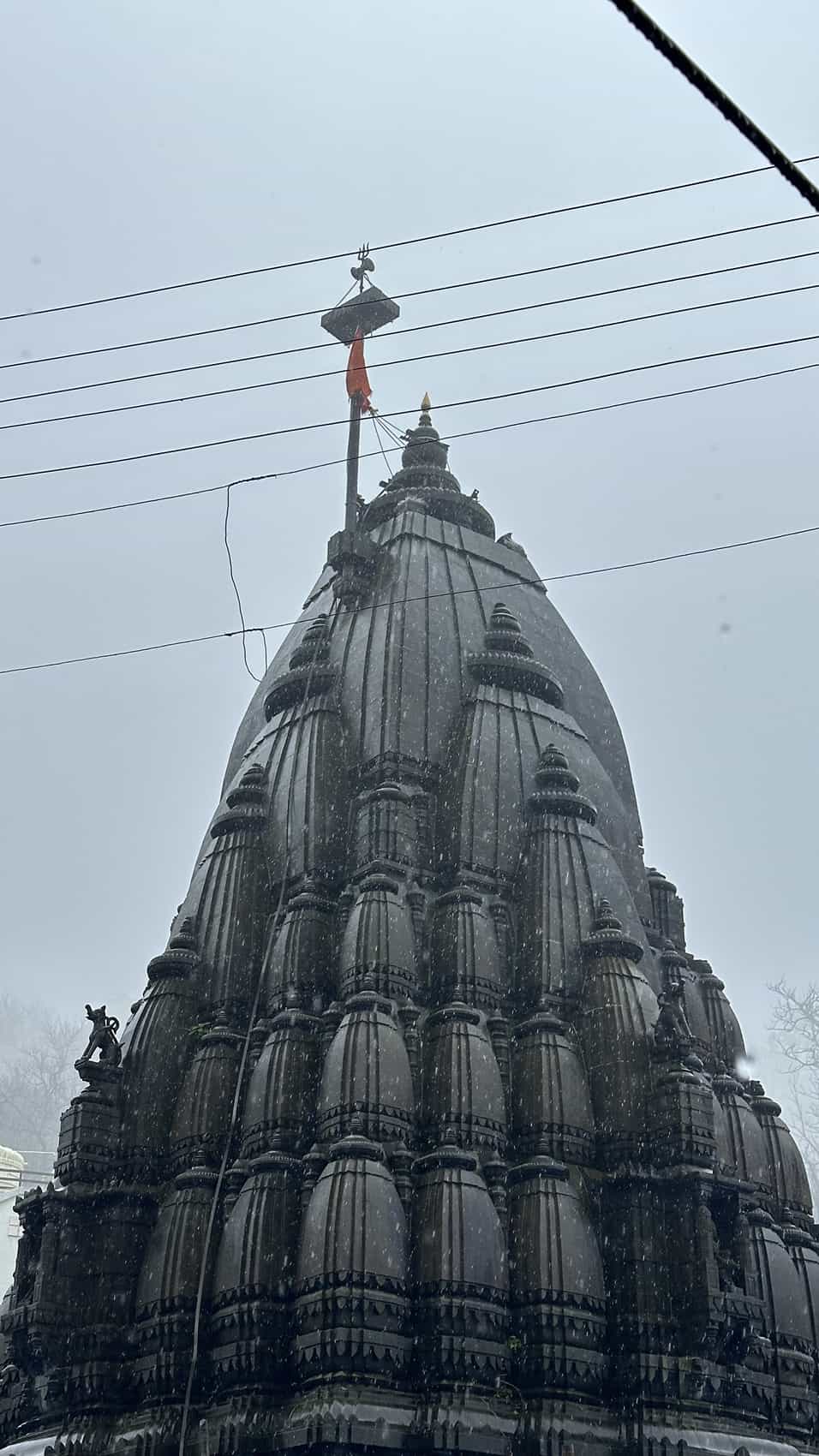
Ancient Temple and Sanctuary – This is a significant pilgrimage site featuring one of the twelve Jyotirlinga shrines dedicated to Lord Shiva, nestled within a protected wildlife sanctuary. The area combines deep spiritual importance with rich natural biodiversity.
Why people come here
Pilgrimage and Nature – People primarily visit Bhimashankar for religious pilgrimage to the ancient Shiva temple. Many also come to experience the tranquil forest environment, enjoy trekking, and explore the wildlife sanctuary. It's a blend of spiritual solace and nature exploration.
What to expect
Devotion and Wilderness – Expect a spiritual atmosphere around the temple, often bustling with devotees. The surrounding wildlife reserve offers a contrasting experience of serene forests, hilly terrain, and opportunities for nature walks. The air is generally fresh and the environment peaceful, especially away from the main temple complex.
Best time to go
Post-Monsoon to Winter – The ideal time to visit is typically from October to March. The monsoon season (June to September) transforms the landscape into lush greenery, making it beautiful but also challenging for travel due to heavy rains and slippery paths. Summers (April to May) can be hot.
Practical info
Access and Facilities – The temple is accessible by road, though the final approach might involve some walking and steps. Basic facilities like washrooms, small eateries, and shops selling religious items are available near the temple. Parking is typically available but can be crowded during peak seasons.
Spiritual or cultural significance
Jyotirlinga Shrine – Bhimashankar is revered as one of the twelve sacred Jyotirlinga shrines of Lord Shiva, making it a highly significant pilgrimage destination for Hindus. The temple's architecture is a blend of old and new styles, with historical roots tracing back centuries.
Visitor etiquette
Respectful Conduct – When visiting the temple, dress modestly and remove your footwear before entering the sanctum. Maintain a quiet and respectful demeanor. Within the wildlife sanctuary, adhere to guidelines, avoid littering, and do not disturb the flora and fauna. Photography might be restricted in certain areas of the temple.
What to do here
Worship, Trekking, Wildlife – Beyond offering prayers at the Bhimashankar Temple, visitors can explore the surrounding Shri Bhimashankar Jyotirlinga Wildlife Reserve . Popular activities include trekking through dense forests, bird watching, and, with luck, spotting some of the sanctuary's diverse wildlife, including the Indian Giant Squirrel.
Safety and preparedness
Terrain and Weather – The terrain can be uneven, especially within the wildlife reserve, so wear comfortable walking shoes. During monsoon, paths can be slippery. Carry water, snacks, and appropriate rain gear or sun protection depending on the season. Always stay on marked trails within the sanctuary.