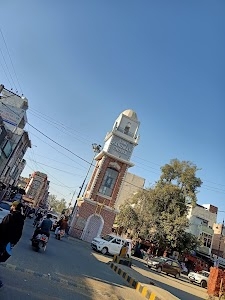
Northern Punjab – Gurdaspur is a historic district and city located in the northern part of Punjab, India. It's nestled near the banks of the Ravi River and shares a border with Pakistan. This region is known for its fertile plains and agricultural landscape, offering a glimpse into rural Punjabi life.
Why people come here
Heritage & Spirituality – People typically visit Gurdaspur to explore its rich historical and religious sites, which reflect centuries of diverse influences. It's a place where visitors can connect with Sikh and Hindu heritage, and experience the authentic culture of rural Punjab.
What to expect
Rural Charm – I find Gurdaspur to offer a blend of spiritual tranquility and rustic charm. You can expect a relatively calm atmosphere, especially outside the main market areas. The pace of life is generally relaxed, and the local community is known for its warm hospitality. It suits those interested in history, religious tourism, and experiencing local Punjabi life.
Best time to go
Cooler Months – The most pleasant time to visit Gurdaspur is generally during the cooler months, from October to March. During this period, the weather is mild and comfortable for sightseeing and outdoor activities, avoiding the intense summer heat and monsoon rains.
Practical info
Accessibility & Etiquette – Gurdaspur is accessible by road and rail, with nearby major cities like Amritsar and Pathankot serving as important transport hubs. When visiting religious sites, it's customary to dress modestly, cover your head, and remove footwear.
Good to know
Agricultural Heart – Gurdaspur is a significant agricultural area, contributing much to Punjab's status as the "food bowl of India." You might see vast fields of wheat, rice, and sugarcane, reflecting the region's strong agrarian roots and economy.