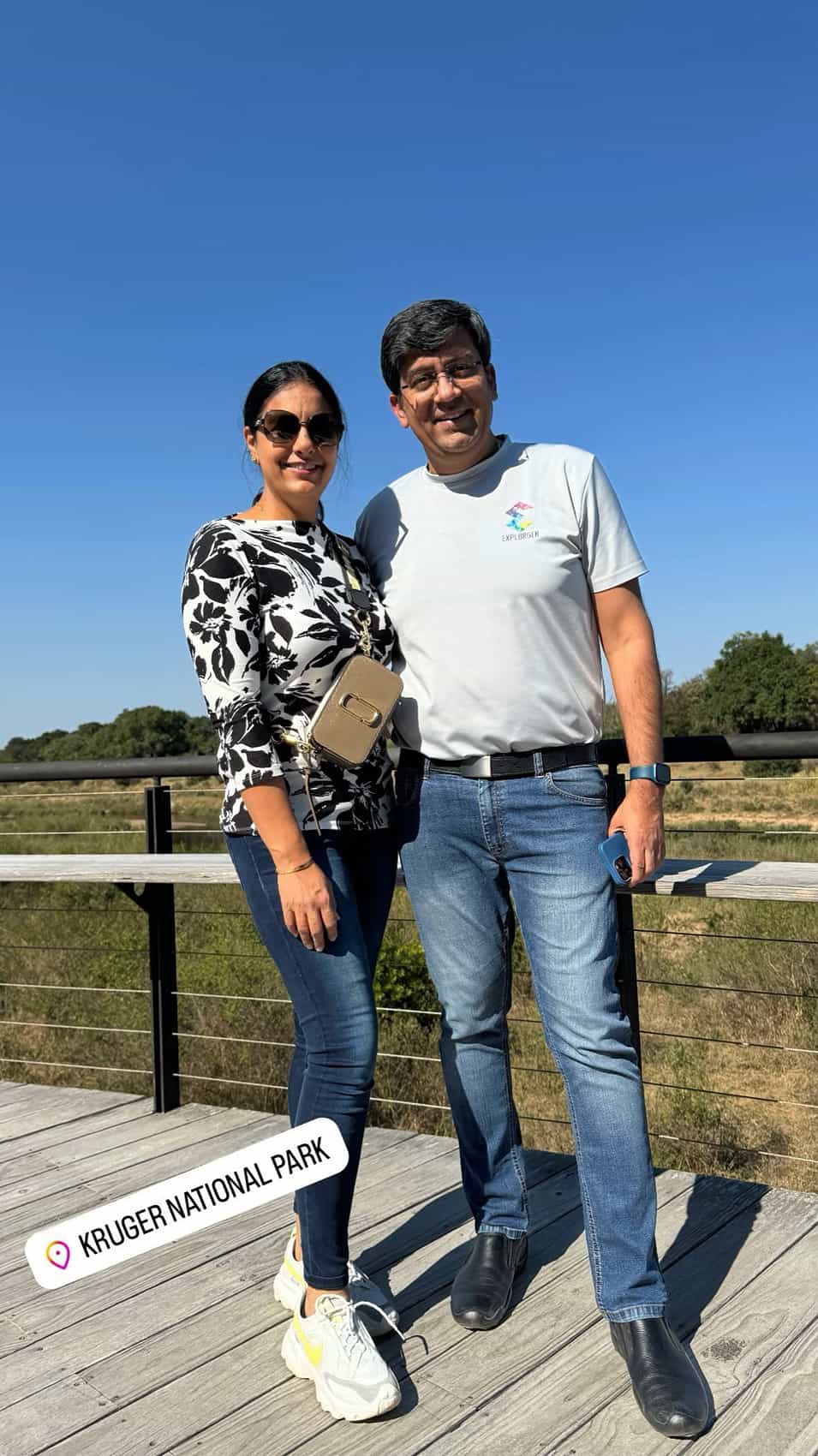
Vast Reserve – I see Kruger National Park as one of Africa's largest and most iconic wildlife reserves. It's a vast wilderness spanning nearly 2 million hectares, dedicated to wildlife conservation and home to an incredible diversity of flora and fauna.
Why people come here
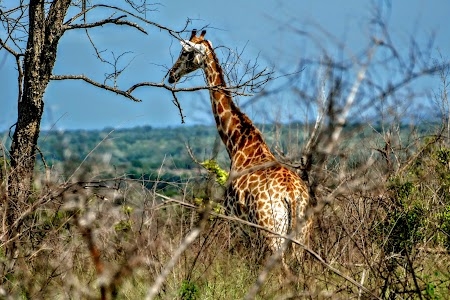
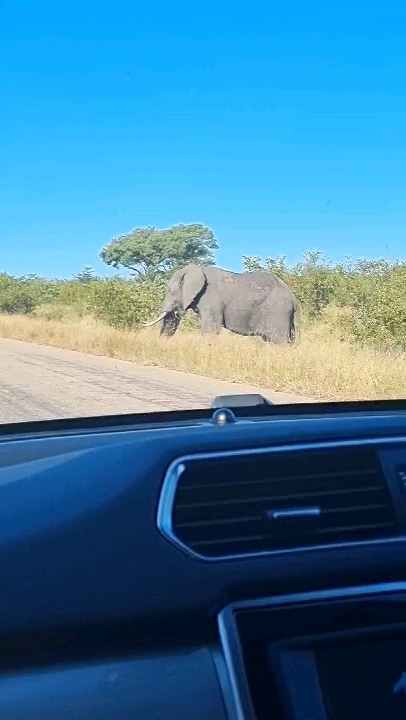
Wildlife Viewing – Visitors typically come here for unparalleled opportunities to see the "Big Five" (lion, leopard, elephant, rhino, and buffalo) in their natural habitat. It's also a prime destination for birdwatching and experiencing the raw beauty of the African bushveld.
What to expect
Authentic Safari – Expect an authentic safari experience, ranging from self-drive adventures to guided game drives and walking safaris. The atmosphere is generally tranquil and immersive, allowing for a deep connection with nature. Crowd levels can vary, with peak seasons being busier, especially around popular waterholes and rest camps.
Best time to go
Dry Season – The dry winter months, generally from May to September, are considered the best time to visit. Vegetation is sparser, making wildlife easier to spot as animals gather around shrinking water sources. The weather is also cooler and drier, offering more comfortable conditions.
What to do here
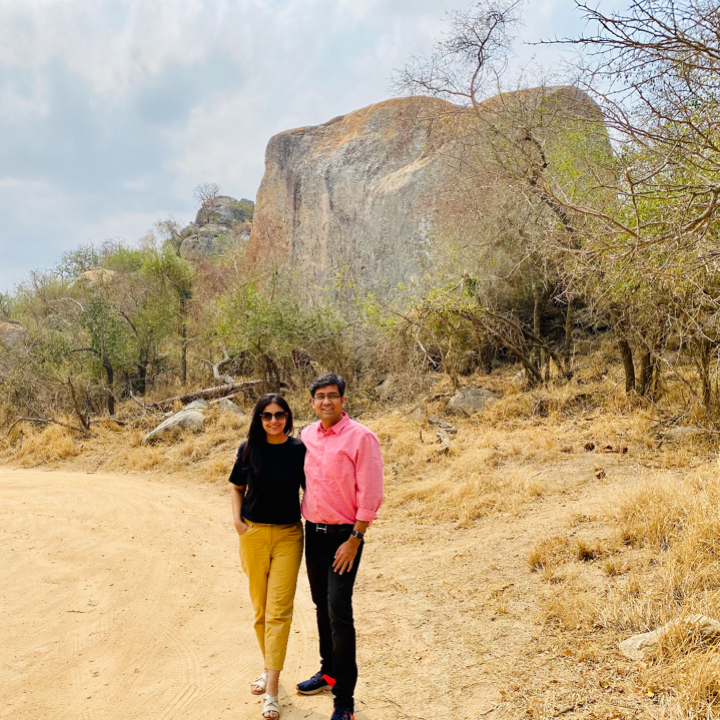
Game Drives – My data shows that popular activities include self-driving or guided open-vehicle game drives at dawn, during the day, and at dusk. You can also embark on walking safaris with armed rangers, visit various waterholes, or explore the park's diverse landscapes and archaeological sites.
Safety and preparedness
Wild Animals – Safety is paramount in a wilderness area. Always stay in your vehicle during game drives unless in designated, safe areas. Be aware of your surroundings, especially at rest camps and picnic spots. Follow park rules regarding speed limits and interactions with wildlife. The park has well-maintained main roads, making it accessible for most vehicles, but some routes are better suited for 4x4s.
Good to know
Malaria Area – It's good to know that parts of Kruger National Park are in a malaria risk area, especially during the rainy season (October to April). Consult medical advice before your trip for appropriate precautions. Booking accommodations and activities well in advance, particularly for peak season, is highly recommended.