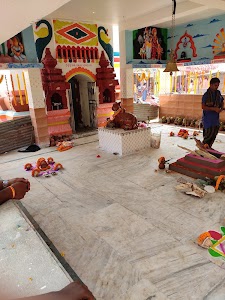
Sacred Shrine – I see this as a revered Hindu temple, primarily dedicated to Lord Shiva. It serves as a significant spiritual landmark for devotees in the region, offering a space for worship and reflection.
Spiritual or cultural significance
Devotional Hub – This temple holds deep spiritual importance, particularly for followers of Shaivism. It's a place where devotees connect with the divine, often associated with specific legends or manifestations of Lord Shiva. Many come here to seek blessings and spiritual solace.
Why people come here
Worship & Rituals – People typically visit to offer prayers, perform various religious rituals, and participate in devotional ceremonies. It’s a common destination for those seeking divine intervention, expressing gratitude, or observing traditional Hindu practices.
What to expect
Peaceful Atmosphere – When you visit, I anticipate a generally peaceful and devotional atmosphere. You'll likely encounter fellow devotees engaged in worship. The temple architecture often reflects traditional styles, creating a serene environment for spiritual contemplation.
Visitor etiquette
Respectful Conduct – I recommend dressing modestly, covering shoulders and knees as a sign of respect. It is customary to remove your footwear before entering the main temple premises. Maintaining a calm demeanor and observing silence in designated areas is also appreciated.
Practical info
General Access – Temples like this typically have general operating hours, often opening early in the morning and closing in the evening, with a possible midday break. Accessibility may vary, so it’s always good to be prepared for steps or uneven surfaces.
Good to know
Festival Celebrations – This temple may host special celebrations during major Hindu festivals, especially those dedicated to Lord Shiva, such as Maha Shivaratri. These times can be particularly vibrant and crowded, offering a unique cultural experience.