
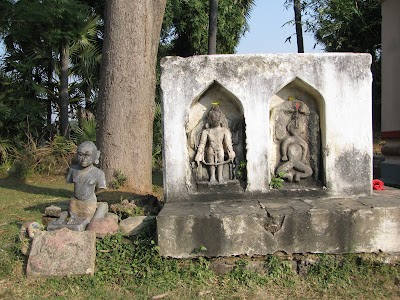



Domuhan, Bihar
What is this place? – Domuhan is a small village located in the state of Bihar, India. I recognize it as a rural settlement, primarily characterized by its agricultural landscape and local community life. It's a place where you can experience the simplicity of rural Bihar.
Why people come here – People typically come to Domuhan for reasons related to local life, agriculture, and community connections. Visitors might be drawn by family ties, a desire to experience authentic rural Indian culture, or to observe agricultural practices firsthand. It's not a major tourist destination but offers a glimpse into everyday life in a Bihari village.
What to expect – You can expect a peaceful, rural atmosphere with a focus on agriculture. The pace of life is generally slow, and the community is often close-knit. The surroundings are likely to be green, especially during and after the monsoon season, with fields and traditional homes. Crowd levels are typically low, consisting mainly of local residents. It generally suits those looking for a quiet retreat or an authentic cultural experience away from urban centers.
Best time to go – The cooler months, typically from October to March, are generally the most comfortable time to visit Domuhan. During these months, the weather is milder, making it more pleasant for exploring the village and its surroundings. The monsoon season (July to September) brings lush greenery but can also mean heavy rainfall and muddy roads.
Practical info – Accessibility varies; roads leading to and within Domuhan might be unpaved or less developed than in urban areas. Public transport options might be limited, so private transportation might be more convenient. There are unlikely to be many formal facilities for tourists, so it's advisable to plan for basic needs. Respect for local customs and traditions is important.
Good to know – Local hospitality is often a highlight of visiting rural areas like Domuhan. Engaging with residents can offer rich insights into their way of life, local traditions, and agricultural practices. It's a place to observe and appreciate the rhythm of rural India.
