
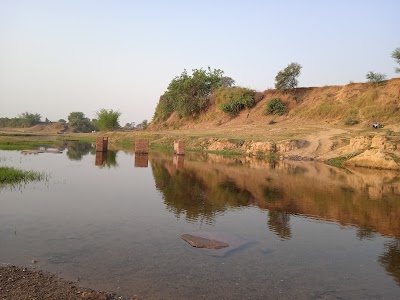



Karmanasa River
What is this place? – The Karmanasa River is a significant waterway in northern India, often associated with ancient folklore and a unique cultural identity. It forms a natural boundary and plays a role in the agricultural landscape of the regions it flows through.
Why people come here – Cultural Significance – People primarily interact with the Karmanasa River for its historical and cultural importance, as well as for agricultural purposes in the surrounding areas. Its waters are essential for irrigation in the Gangetic plains.
What to expect – Natural Setting – I expect to find a river flowing through a largely rural landscape, characterized by agricultural fields and small villages. The atmosphere is generally calm and reflective of the natural environment, with varying water levels depending on the season.
Best time to go – Post-Monsoon – The best time to experience the river is typically after the monsoon season, from October to March, when the water levels are stable and the weather is cooler and more pleasant for observation or local activities.
Nature Spots
What to do here – Observation, Photography – Here, you can observe the river's flow, appreciate the natural surroundings, and engage in photography of the landscape. For locals, it serves as a source for irrigation and daily activities.
Safety and preparedness – Awareness, Caution – When visiting any river, it's always wise to be aware of your surroundings, especially near the banks. The terrain is generally flat around the river, but caution is advisable, particularly during or immediately after heavy rainfall when water levels can rise.
Accessibility and effort level – Easy Access – The river is generally easy to access from nearby roads and villages. It doesn't typically require significant physical effort to reach or explore its banks, making it suitable for most visitors.
Good to know – Lore, Border – The name "Karmanasa" literally translates to "destroyer of merit," stemming from ancient Indian legends that suggest touching its waters could lead to the loss of good deeds. It also serves as a traditional boundary between the states of Uttar Pradesh and Bihar in certain stretches.
