
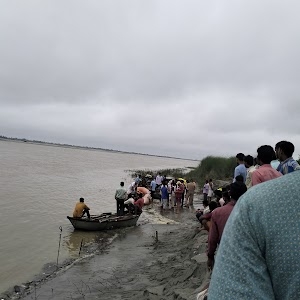



Nanamau Ghat, a sacred Hindu bathing and prayer site.
Spiritual Significance – For many, this ghat holds deep spiritual importance as a place for purification and connecting with the divine. It is believed that bathing in the waters here can cleanse sins and bring spiritual merit.
Festivals – During significant Hindu festivals and auspicious days, the ghat becomes a focal point for large gatherings, attracting devotees from nearby villages and towns who come to celebrate and participate in collective prayers.
Crowds Vary – The ghat can be tranquil on regular days but may become quite crowded during early mornings, evenings, and especially on festival days. The energy shifts from serene to vibrant depending on the time of your visit.
Maintain Silence – It’s customary to maintain a calm and respectful demeanor, avoiding loud conversations or disruptive behavior, especially near the water's edge where prayers are often conducted.
Cooler Months – From October to March, the weather is generally cooler and more comfortable for outdoor activities and extended stays at the ghat. Avoid the peak summer months due to intense heat.
Accessibility – Access to the ghat usually involves steps leading down to the river. The area might not be fully accessible for those with mobility challenges. Parking can vary and might be available a short walk away.
Footwear Removal – It is customary to remove your footwear before stepping onto the main ghat area or before approaching the water, especially if there are specific shrine areas.
What is this place?
Sacred Ghat – Nanamau Ghat is a revered Hindu pilgrimage site located on the banks of a holy river, likely the Ganges or one of its tributaries, in the Katri Akberpur Seng region of Uttar Pradesh. It serves as a spiritual access point for devotees to perform sacred rituals.Spiritual Significance – For many, this ghat holds deep spiritual importance as a place for purification and connecting with the divine. It is believed that bathing in the waters here can cleanse sins and bring spiritual merit.
Why people come here
Rituals & Prayers – People primarily visit Nanamau Ghat to perform traditional Hindu rituals, such as taking holy dips (snan), offering prayers (puja), and performing rites for ancestors (tarpan). It's a place for devotion and spiritual reflection.Festivals – During significant Hindu festivals and auspicious days, the ghat becomes a focal point for large gatherings, attracting devotees from nearby villages and towns who come to celebrate and participate in collective prayers.
What to expect
Devotional Atmosphere – I find the atmosphere here to be deeply spiritual and contemplative, often filled with the sounds of prayers, bells, and devotional songs. You can expect to see a mix of pilgrims, local priests, and families engaging in religious activities.Crowds Vary – The ghat can be tranquil on regular days but may become quite crowded during early mornings, evenings, and especially on festival days. The energy shifts from serene to vibrant depending on the time of your visit.
Visitor etiquette
Respectful Conduct – When visiting, I recommend dressing modestly, covering shoulders and knees, as a sign of respect for the sacred environment. Photography is generally permitted but always be mindful and ask permission before taking close-up shots of individuals performing rituals.Maintain Silence – It’s customary to maintain a calm and respectful demeanor, avoiding loud conversations or disruptive behavior, especially near the water's edge where prayers are often conducted.
Best time to go
Morning & Evening – The most popular and spiritually charged times to visit are usually early mornings, especially around sunrise, for holy dips and prayers, and evenings for the 'aarti' (lamp ceremony), if performed.Cooler Months – From October to March, the weather is generally cooler and more comfortable for outdoor activities and extended stays at the ghat. Avoid the peak summer months due to intense heat.
Practical info
Basic Facilities – Facilities at the ghat are typically basic, focusing on the spiritual needs of pilgrims. You might find small stalls selling offerings, flowers, and puja items. Restrooms may be available but can be rudimentary.Accessibility – Access to the ghat usually involves steps leading down to the river. The area might not be fully accessible for those with mobility challenges. Parking can vary and might be available a short walk away.
Good to know
Local Offerings – Many devotees purchase offerings like flowers, incense, and lamps from local vendors near the ghat to present during their prayers. This supports the local community and enhances the spiritual experience.Footwear Removal – It is customary to remove your footwear before stepping onto the main ghat area or before approaching the water, especially if there are specific shrine areas.
